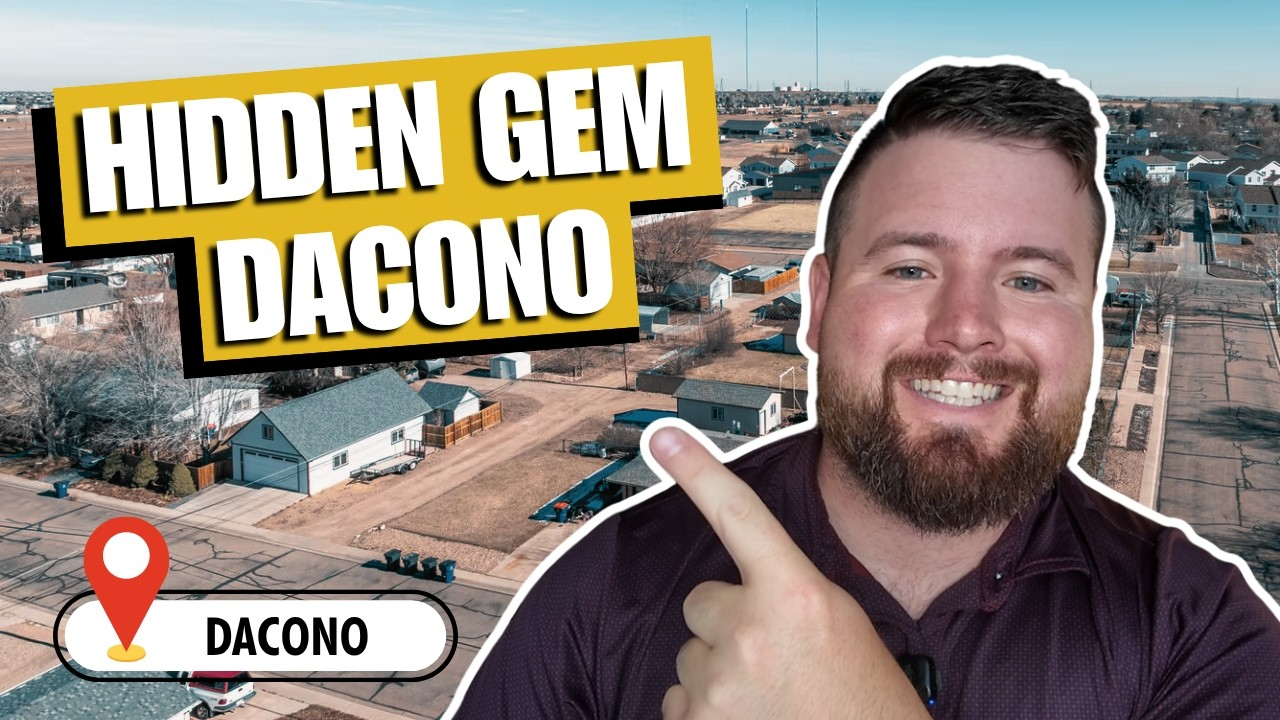
If you are moving to Colorado and Northern Colorado is on your shortlist, there are a few things you really want to understand before choosing a city, a neighborhood, or even a side of I-25. This part of the state has been growing fast for a reason. You get a mix of outdoor access, job growth, different types of communities, and more housing options than a lot of people expect.
But Northern Colorado is not one-size-fits-all. Fort Collins feels different from Loveland. Greeley feels different from Windsor. A home in one neighborhood can have a very different monthly payment than a similarly priced home a few miles away. If you are serious about moving to Colorado, these are the details that can save you time, money, and a lot of second-guessing.
Here are the seven biggest things we want people to know before making the move.
Table of Contents
- 1. Cost Of Living In Northern Colorado
- 2. Each City Has A Different Personality
- 3. What The Housing Market Looks Like
- 4. Weather Is Better Than Many People Expect
- 5. Outdoor Access Is A Major Reason People Move Here
- 6. Commute And Traffic Are Manageable
- 7. Schools Require Personal Research
- Final Thoughts
- FAQ About Moving To Colorado (NoCo)
1. Cost Of Living In Northern Colorado
For most people moving to Colorado, cost of living is the first big filter. The good news is that Northern Colorado is generally more affordable than Denver or Boulder. The part that catches people off guard is that affordability changes a lot by city, neighborhood, and tax structure.
If you are looking at the larger, more established cities, Fort Collins usually comes in higher. That makes sense. It is the biggest city in Northern Colorado, it has more jobs, more amenities, and more of the built-out feel that many buyers want. Because of that, it is also one of the more desirable and more expensive places to buy.
As you move farther east of I-25 or into smaller towns like Milliken, Johnstown, Frederick, and Firestone, you can usually find lower price points. That tradeoff is pretty common in this region. More distance from the foothills often means more affordability.
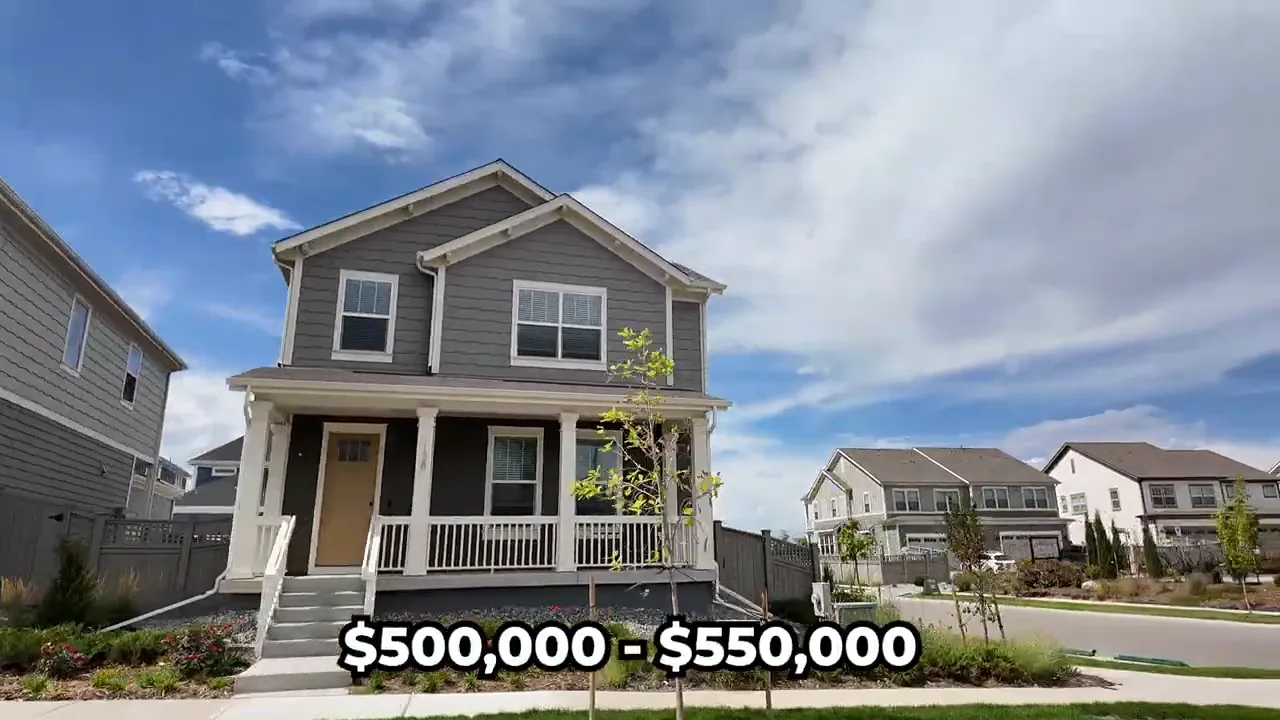
Average home prices for a first home or move-up home are often around $500,000 to $550,000. On the lower end, there are still homes around $400,000 or a bit below, depending on the city and location. On the higher end, luxury starts around $700,000, though in many cases true luxury feels more like $900,000 and up.
One of the biggest things to understand is property taxes. Compared to many other states, Colorado property taxes are often lower than people expect. But that does not mean every home carries the same tax burden.
Many newer neighborhoods and new construction communities fall inside a metro taxing district. This is a big deal. A metro district can fund things like:
- Road improvements
- Parks and open space
- Landscaping
- Community amenities
In practical terms, it can function a lot like an HOA, except it shows up in your taxes. Sometimes a neighborhood has both an HOA and a metro district, which means your monthly housing cost can rise quickly even if the purchase price looks reasonable.
In a metro district, tax rates may land around 1% to 1.5%. On a $500,000 home, that can mean roughly $5,000 to $7,500 per year in property taxes. So if you are moving to Colorado and comparing two homes at the same price, one in a metro district and one outside of it, your monthly payment could be very different.
That is why we always encourage buyers to look beyond the list price. Price matters, but taxes, HOA dues, and location can completely reshape affordability.
2. Each City Has A Different Personality
One of the best parts about Northern Colorado is that every city has its own vibe. If you are moving to Colorado for lifestyle, this is where the search gets fun.
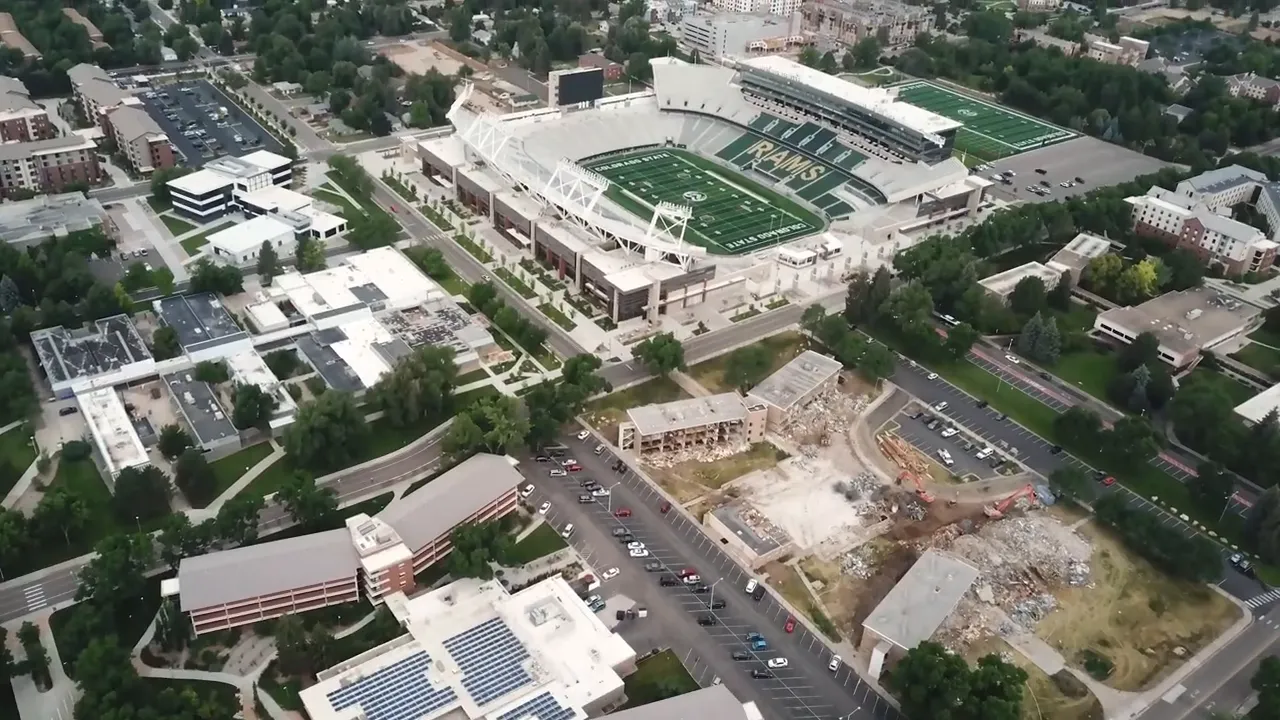
Fort Collins
Fort Collins is the biggest city in the region and one of the most popular. It has a college-town feel, which means more nightlife, more energy, and a younger crowd in certain areas, especially near downtown. It is also very outdoor-oriented and highly walkable if you live close to Old Town and central neighborhoods.
If your ideal setup includes coffee shops, local restaurants, breweries, and easy access to trails, Fort Collins checks a lot of boxes.
Loveland
Loveland sits just south of Fort Collins and feels a little quieter and a little smaller. It has a more artsy identity and can be a great fit for people who want access to Fort Collins jobs or amenities without paying Fort Collins prices. A commute north can be around 20 to 25 minutes, which makes Loveland a practical option for buyers trying to balance lifestyle and budget.
Greeley
Greeley is often one of the affordability leaders in the region. It is farther east, so it is not the best fit for everyone, especially if being close to Denver is a top priority. But for people who want a more attainable home price, Greeley gets a lot of attention.
It is not unusual to find a solid home around $400,000 or even lower there. On top of that, Greeley has been growing quickly, with more development and a strengthening job market. That combination of price and growth is why so many people are giving it a serious look.
Windsor and Erie
If you want more of a small-town feel but still want access to larger employment centers and amenities, Windsor and Erie stand out. These are growing communities with a lot of newer development and new construction. They tend to appeal to people who want a family-oriented feel and the chance to get into an area before it fully matures.
The bottom line is simple: Northern Colorado is not just one market. It is a collection of very different communities. The right fit depends on what matters most to you:
- Walkability
- Affordability
- Commute time
- Nightlife
- Small-town feel
- New construction
3. What The Housing Market Looks Like
A lot of people moving to Colorado ask whether Northern Colorado is still competitive. The honest answer is yes, but not equally in every city and every price range.
Since COVID and rising interest rates, the market has shifted, but Northern Colorado has held up fairly well compared with many places around the country. This region remains desirable, and people continue to relocate here for work, lifestyle, and long-term growth.
That said, there are micro-markets within the region. Fort Collins remains consistently desirable because of jobs, amenities, and quality of life. Greeley continues to attract first-time buyers and value-focused buyers because it is more affordable. Different cities can behave differently even when they are not far apart geographically.
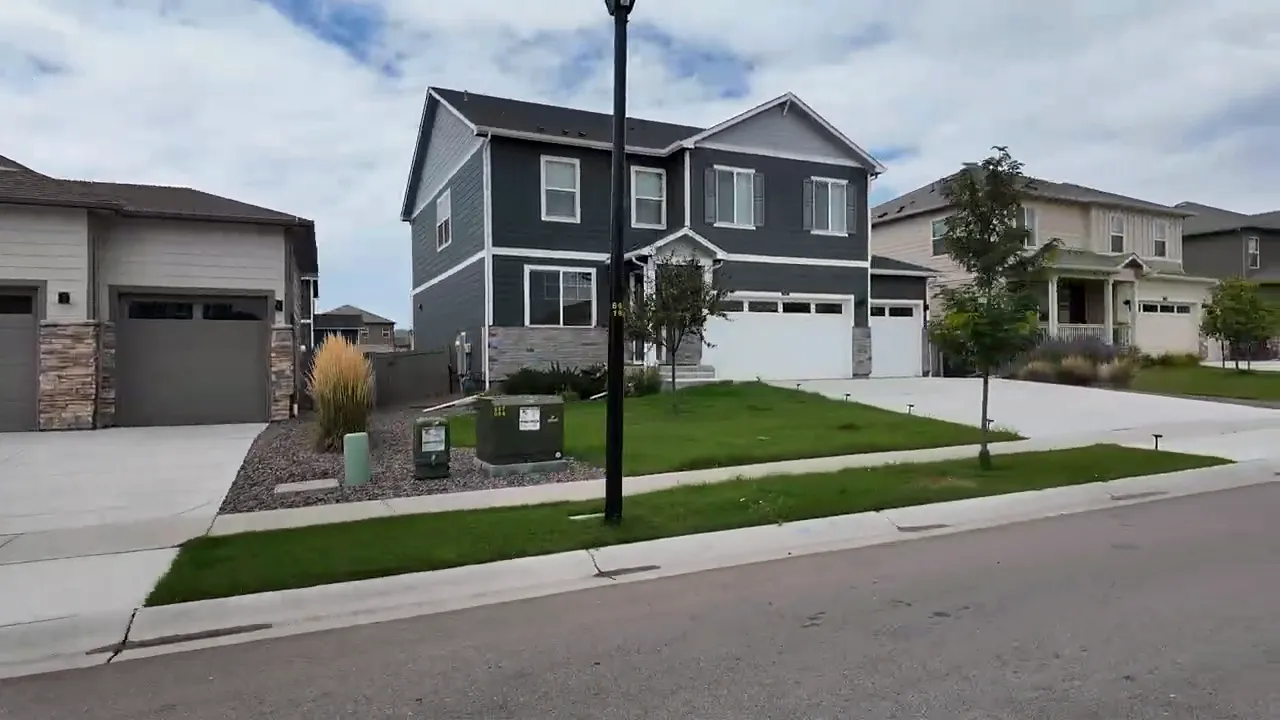
Another major factor is new construction. Northern Colorado has a lot of it. Builders are actively filling the corridor between Denver and Fort Collins because demand remains high and inventory is still needed.
For buyers, new construction can be a real opportunity. Builders may offer incentives that traditional resale sellers often cannot, whether that is around financing, upgrades, or other purchase terms. If you are flexible on neighborhood maturity and you like the idea of a brand-new home, this is one of the strongest parts of the Northern Colorado market to explore.
The key is not to think of the entire area as one giant market. A smart home search here means getting specific about city, neighborhood age, tax district, and whether you are open to resale versus new build.
4. Weather Is Better Than Many People Expect
People often assume that moving to Colorado means signing up for brutal winters. That is usually not how Northern Colorado feels day to day.
Colorado gets a ton of sunshine. In fact, it is known for being one of the sunniest states in the country. That sunshine changes how the seasons feel, especially in winter.
Yes, we get snow. But in the Northern Colorado flatlands, snow often does not stick around the way people from colder, cloudier climates might expect. You can get a few inches one day, then wake up to sunshine and warmer temperatures the next day, and much of it is already melting away.
That does not mean the weather is perfect. There are a few tradeoffs you need to know:
- Wind: Northern Colorado can get very windy. Some days it is enough to ruin patio plans or make the backyard less enjoyable.
- Dust: Wind can bring dust with it, especially in more open areas.
- Hail: Afternoon hailstorms do happen, and they can be intense.
- Temperature swings: It is normal to see big shifts from morning to afternoon or from one day to the next.
Those temperature swings are a real Colorado thing. Winter can go from snowy and cold to sunny and mild quickly. Spring and summer can start warm and end with wind rolling in and dropping the temperature by evening.
For most people, the sunshine outweighs the negatives. But if you are planning on moving to Colorado, it is worth knowing that the weather here is less about long stretches of one condition and more about constant variation.
5. Outdoor Access Is A Major Reason People Move Here
For a lot of people, this is the whole reason they are considering moving to Colorado in the first place.
Outdoor access is one of Northern Colorado’s biggest strengths. Whether you are west of I-25 or farther east, you are still generally within reach of the foothills, mountains, trails, reservoirs, and open space.

Even on the east side of I-25, mountain and foothill access is often around 30 to 45 minutes away. If you are on the west side, you can be dramatically closer. In some locations, you are basically right there.
That means it is easy to build outdoor activities into your normal routine. Depending on where you live, you can have convenient access to:
- Hiking
- Biking
- Lakes and reservoirs
- Trail systems
- Foothill recreation
There is one thing to keep in mind, though. The closer you get to those highly desirable outdoor amenities, the more demand tends to rise. And when demand rises, home prices usually follow.
So if your dream is to be as close as possible to the foothills, expect to pay more for that convenience. If you are willing to trade a short drive for a lower purchase price, moving a bit farther east can open up more affordable options without giving up the outdoor lifestyle entirely.
6. Commute And Traffic Are Manageable
Commute is another big issue for people moving to Colorado, especially if they need to balance access to Denver, Fort Collins, and the airport.
A good way to think about Northern Colorado is to use a few anchor points: Denver, Fort Collins, and DIA, the Denver International Airport.
Take the Frederick, Firestone, and Dacono area as a middle point. From there, you can often get to Denver or DIA in around 30 to 35 minutes under decent conditions. Of course, depending on exactly where you are headed and what time of day it is, that can stretch closer to an hour.
One useful tool is E-470, a toll road that can save a lot of time, especially on airport runs. Many locals use it consistently when heading to DIA because it can significantly reduce the drive compared with staying on slower routes.
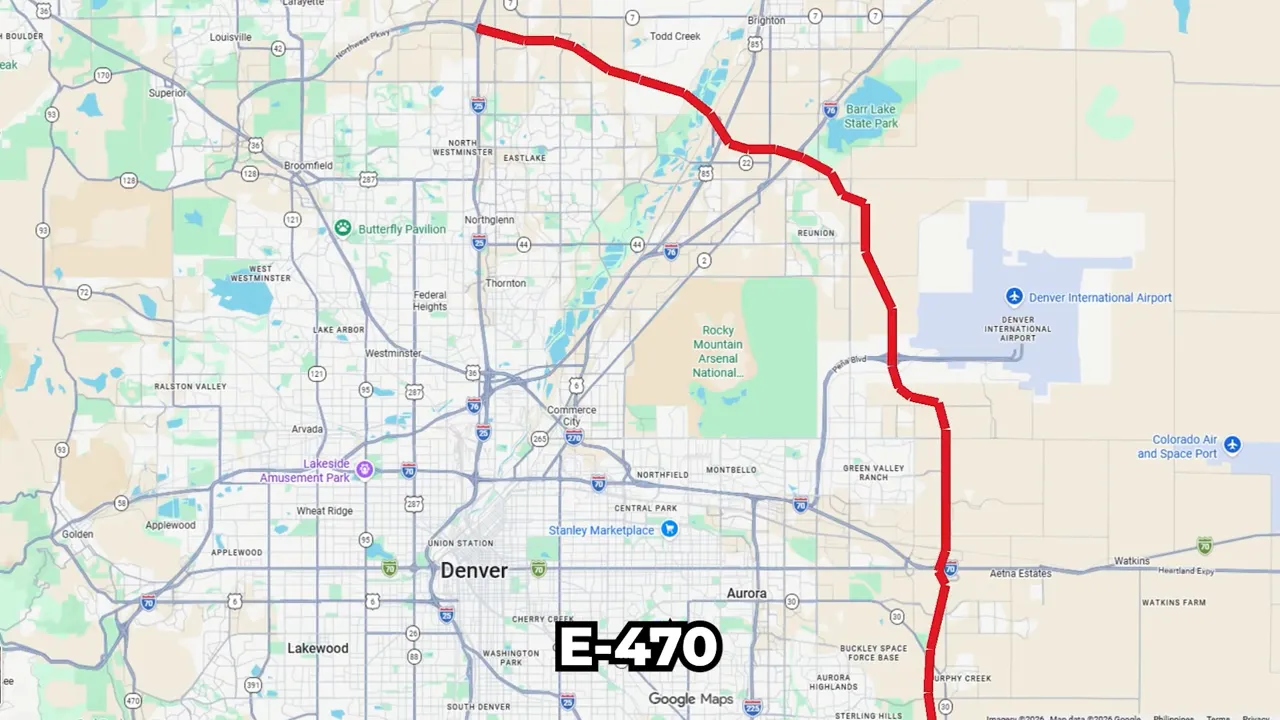
From that same central area, Fort Collins is usually more like a 45 to 55 minute drive. If you live all the way up in Fort Collins and need to get down to Denver, plan for about an hour to an hour and 15 minutes, depending on traffic.
Most of the north-south movement in this region happens on I-25. It is the backbone for commuting between the major cities.
As for traffic, this really depends on what you are comparing it to. If you are coming from Chicago, New York, California, or another heavily congested area, Northern Colorado traffic is probably going to feel pretty mild. If you talk to longtime Colorado natives, some will say traffic has gotten bad, and compared to 20 years ago, they are not wrong. The region has grown a lot.
But in a broader sense, it is still very manageable. That is one of the reasons moving to Colorado, especially this part of Colorado, continues to appeal to so many people.
7. Schools Require Personal Research
If you are relocating with children, schools are naturally going to be high on the priority list. The most practical advice here is simple: do your own research.
What makes a school the right fit for one family may not be the same for another. Different families value different things, whether that is academics, extracurriculars, school culture, class size, or specific programs.
A smart approach is to:
- Review district and school websites
- Join local Facebook groups and ask questions
- Talk to parents in the area
- Tour schools whenever possible
Northern Colorado also offers more than just public schools. There are private and charter school options as well, which can be important for families who want alternatives.
Schools are one of those topics where local nuance matters a lot, so this is an area where a little extra homework can go a long way.
Final Thoughts
If you are moving to Colorado, Northern Colorado offers a lot to like. You have larger cities, quieter towns, strong outdoor access, relatively manageable traffic, and a housing market with options across a wide range of budgets and lifestyles.
The biggest mistake people make is treating all of Northern Colorado like it is the same. It is not. Where you land matters. A lot. Fort Collins, Loveland, Greeley, Windsor, Erie, Frederick, Firestone, and the surrounding towns all give you a different experience.
If you get clear on your budget, commute tolerance, housing preferences, and lifestyle goals, the right area usually starts to stand out pretty quickly. And if you pay close attention to things like metro districts, taxes, and access to the amenities you care about most, you will make a much more confident move.
If you’re shopping for a home in Northern Colorado and want a local, no-pressure plan based on real listings, taxes/HOAs, and neighborhoods that fit your lifestyle, call or text my team at 720-807-5991 —we’re ready to help you make a confident move.
FAQ About Moving to Colorado (NoCo)
Is Northern Colorado more affordable than Denver or Boulder?
Yes, in general Northern Colorado is more affordable than Denver or Boulder. That said, prices still vary a lot by city, neighborhood, and whether a home is located in a metro taxing district.
What is the average home price in Northern Colorado?
A typical first home or move-up home often falls around $500,000 to $550,000. Lower-priced options can be found around $400,000 or below in some markets, while luxury homes often start higher, commonly around $900,000 and up.
What is a metro taxing district in Colorado?
A metro taxing district is a tax structure commonly found in newer communities and new construction neighborhoods. It helps pay for things like roads, parks, landscaping, and amenities. It can raise your total monthly housing cost significantly compared with a similarly priced home outside that district.
Which Northern Colorado city is best for affordability?
Greeley is often one of the more affordable options in Northern Colorado. Smaller towns east of I-25 can also offer lower price points than cities closer to the foothills.
Does Northern Colorado get harsh winters?
Northern Colorado gets snow, but winters are often milder than people expect because of the amount of sunshine and the way temperatures can rebound quickly. Snow on the ground does not always last long in the lower elevations.
How bad is traffic in Northern Colorado?
Traffic is usually manageable, especially compared with major metro areas in other states. I-25 is the main north-south route, and E-470 can help with faster travel to Denver International Airport.
Is Northern Colorado a good place for outdoor living?
Yes. Outdoor access is one of the region’s biggest advantages. Most communities offer convenient access to trails, foothills, lakes, reservoirs, and mountain recreation, even if you are farther east.
Are there school options beyond public schools?
Yes. Northern Colorado has public, private, and charter school options. Families should research schools directly, ask local parents questions, and tour campuses to find the best fit.