Moving to Frederick, Firestone or Dacono, CO: What Buyers Should Know
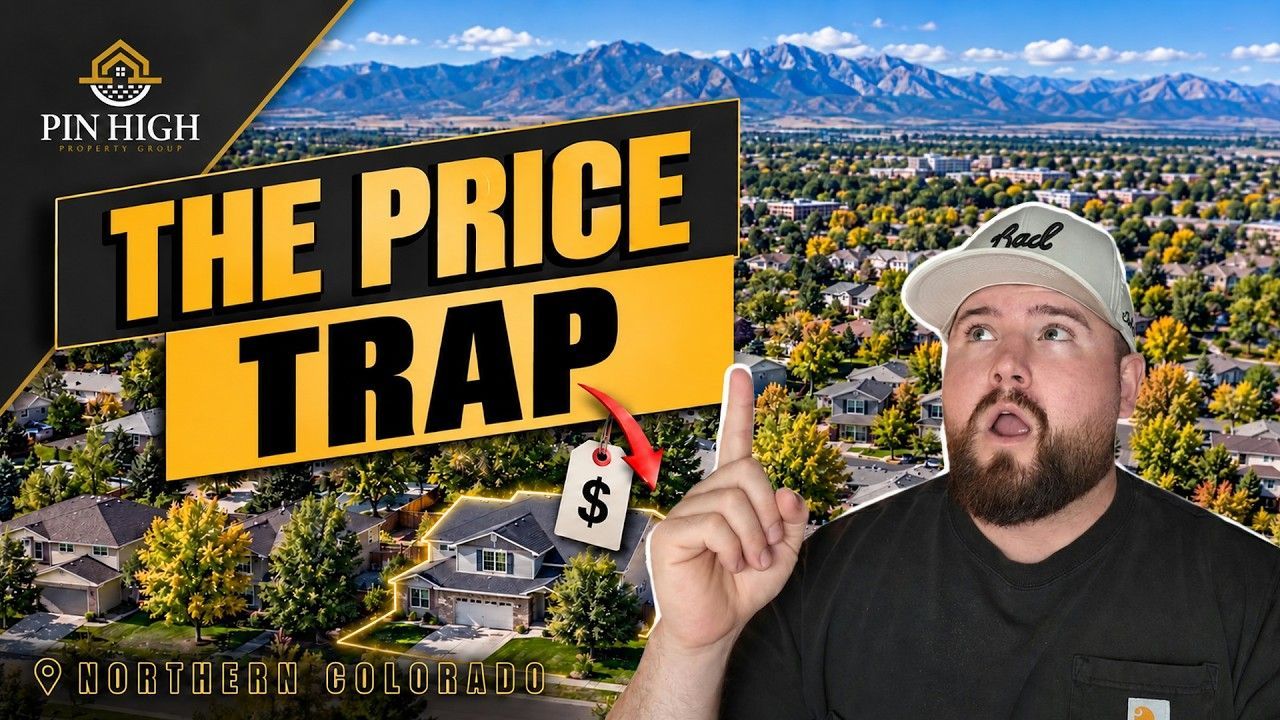
The open field behind your future home might look permanent during a showing, but six months after closing, construction crews could be breaking ground on 2,600 residential lots. That's the reality of buying in Northern Colorado's Tri-Town area right now, where Frederick, Firestone, and Dacono sit clustered together between Denver and Fort Collins, each moving through different stages of growth at different speeds.
I'm Sam Ilstrup, a local broker who lives and works in this exact area. I've watched buyers fall in love with a property based on what they see today, only to realize later that the "open space" they valued was actually a future development parcel. The model home is only half the story when you're moving to Frederick Firestone Dacono 2027. The other half lives in town planning documents, approved filings, and the difference between what exists now and what may come later.
These three towns share a ZIP code proximity, but they don't share the same development character. Frederick is adding commercial growth alongside residential projects. Firestone already has a deep pipeline of newer communities at various stages of completion. Dacono is working through large-scale proposals that could reshape entire sections of the city. If you're relocating to Northern Colorado and searching by price alone, you're missing the part that actually determines what your daily life will feel like. Let me walk you through what's happening in each town and how to audit a neighborhood's future before you sign a contract.
Table of Contents
Frederick: Commercial Growth Meeting Residential Expansion
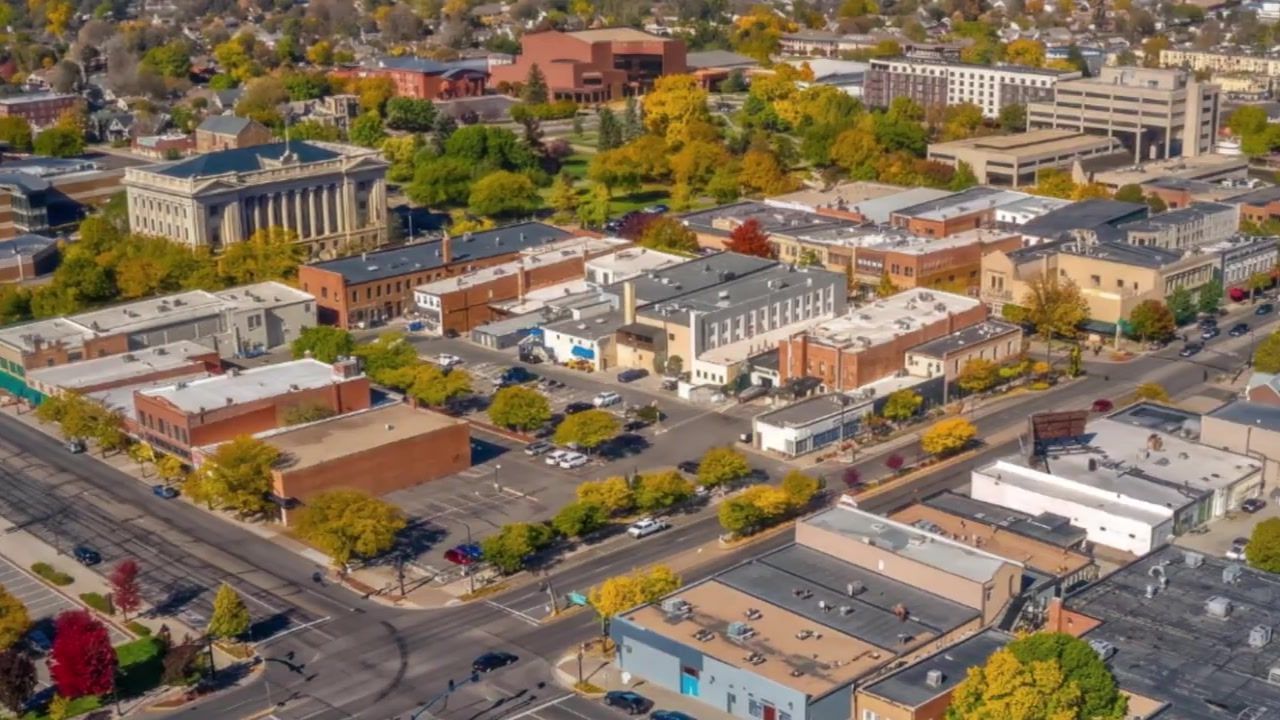
Frederick is probably the easiest place to see residential and commercial growth happening simultaneously right now. Lowe's broke ground on a roughly 95,000 square foot store in August 2026, with an anticipated opening in summer 2027. That matters beyond having another place to buy lumber. As more housing goes in, you want to see services and businesses start filling in around it too. Frederick is getting a lot more of that, which tells you the town is building infrastructure to support the population it's adding.
There are also several residential projects worth watching. Silverstone is one of the bigger proposals, with more than 600 detached homes planned across roughly 150 acres. Victory Alley has another 118 detached home lots proposed, and the Shores on Plum Creek has additional development moving through the process. I'd pay attention to those, but I would not buy a house assuming every proposed project gets built exactly as it looks today. Plans can change, and they do all the time.
The useful part is knowing where growth is being considered and where the town is likely to look different over the next several years. Miner's Park Town Center is another project I'd keep an eye on. It's a proposed mixed-use development near Colorado Boulevard and Highway 52 that could bring residential and commercial uses together in that part of Frederick. If you're looking at a home nearby, that's useful context.
I'd pull up the development map and look at what is already around you, then see what may be changing. That gives you a much better picture than simply asking whether Frederick is growing, it definitely is. The better question is what growth looks like near the housing you're considering. One side of town can feel pretty established while another is still changing fast. The difference matters if you're planning to stay for several years.
What I like about Frederick's current trajectory is that commercial development is following housing development, not the other way around. That sequencing tells you the town is responding to actual demand rather than speculating on future population. When you're evaluating a property in Frederick, I'd want to know which part of town you're in and what's planned on the parcels around you. The exact location inside Frederick matters more than the Frederick name itself.
Firestone: Active Communities at Different Stages
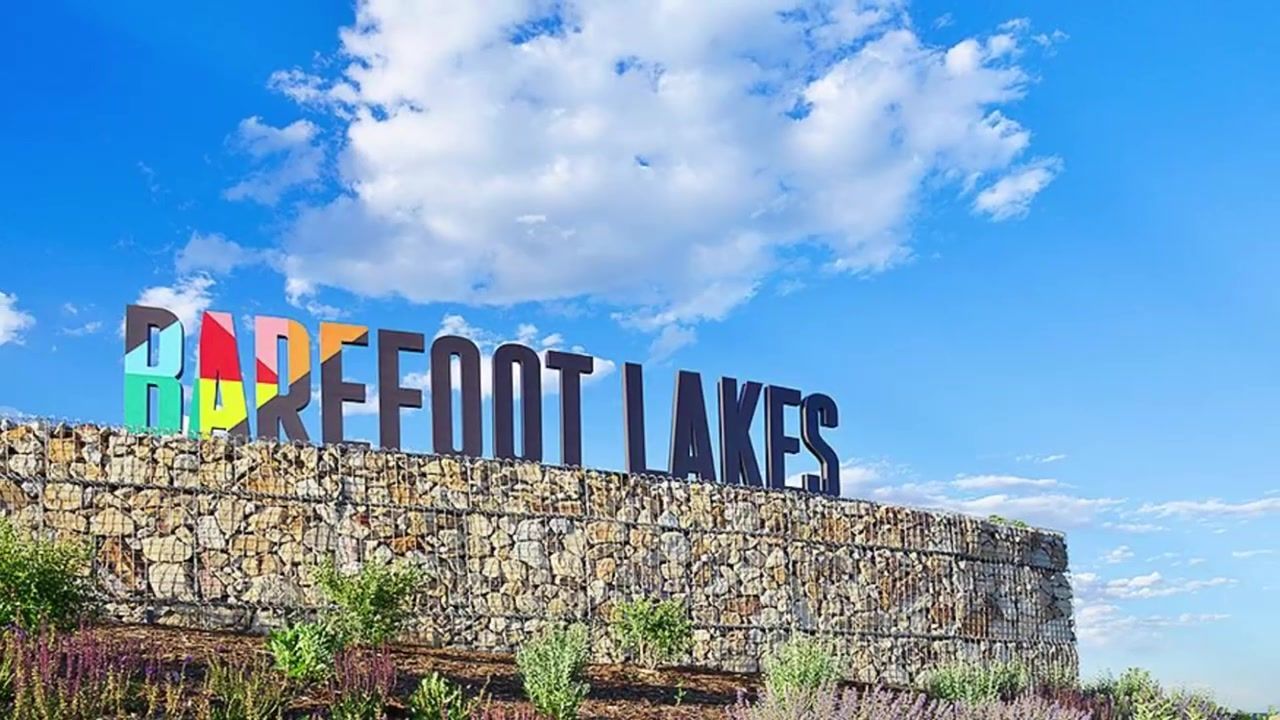
If newer communities are a big part of your search, Firestone already has a deep pipeline. Barefoot Lakes is probably the name you're most likely to recognize in the area, but the town also lists projects like Cordovan, Frontier Estates, Hamilton Heights, Oak Meadows, and Vistosa among its active residential developments. That gives you a lot of different stages of new construction in one town.
One community may already have established sections, trails, parks, and amenities in place, where another might still have several years of construction ahead of it. The homes can look similar online, but living in those two places is going to feel completely different. That's why I'd look at the exact development you're considering and ask how built out it really is. That's going to tell you a lot more than just knowing it's a new community.
Barefoot Lakes
Barefoot Lakes is a great example of how one recognizable community name can include multiple filings at different stages. Additional filings have continued moving forward with a mix of detached and attached homes, parks, open space, and trail connections. There has also been work around improving pedestrian connections toward commercial areas and the trail system near St. Vrain State Park.
Those are the types of things I would recommend paying attention to. I'm not only looking at the model home, I want to know what the neighborhood is supposed to connect to when more of it is complete. If you're buying into an early phase, you're also buying into the construction timeline for the rest of the community. That's not automatically a bad thing, but it changes what you should expect when you move in.
Infrastructure and Road Improvements
Road improvements are part of the Firestone conversation too. There has been work around Firestone Boulevard tied to nearby development, and that's something you should expect in an area where a lot of housing is still being added. Construction can be annoying when it's happening, but it also tells you the infrastructure is trying to keep up with the growth.
If Firestone is already high on your list, I'd look at the exact development you're considering and ask how built out it really is. How many more phases are planned? What's happening on the commercial parcels nearby? Where do future roads go? Those questions give you a much clearer picture of what the next few years will look like than the model home tour alone.
The living experience varies significantly between established sections and areas still building out. A home in a completed phase of Barefoot Lakes with amenities already open is a different decision than buying into a newer Firestone development where the clubhouse and trails are still two years away. Both can be good choices depending on what you value, but I wouldn't want you to confuse one for the other.
Dacono: Large-Scale Proposals and the Open Space Trap
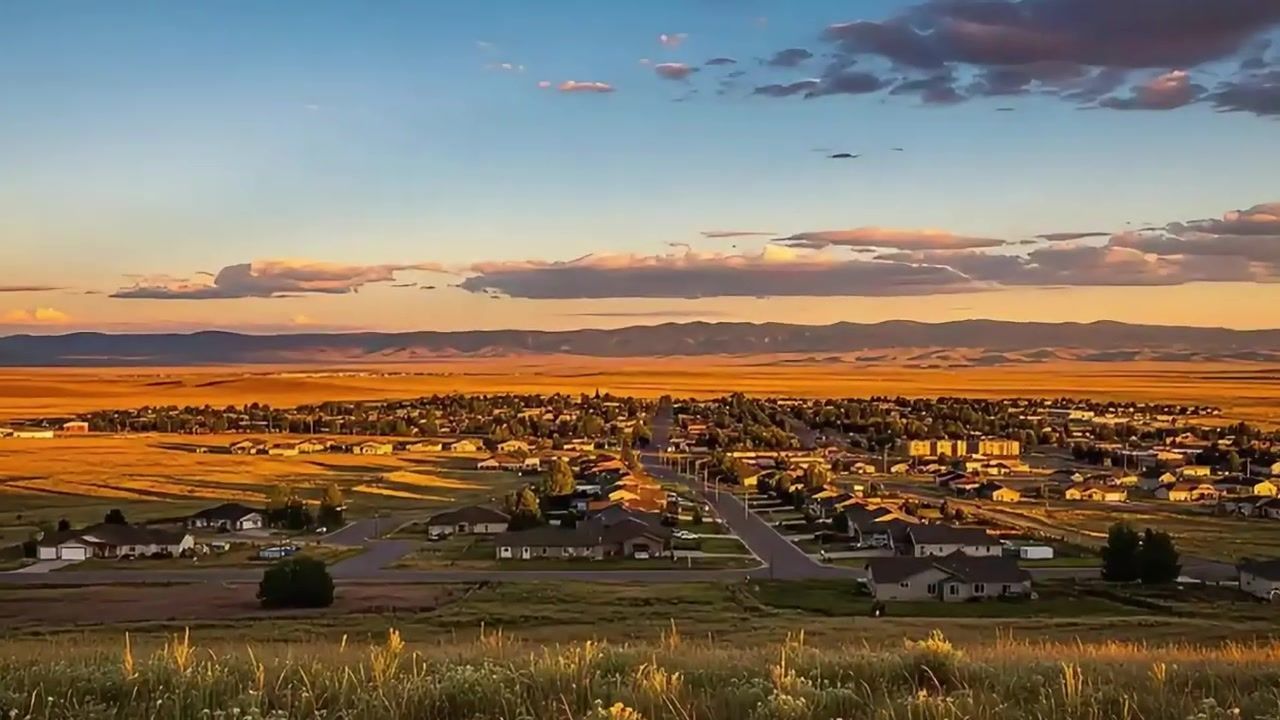
Dacono is where I think you have to pay even closer attention to the difference between what exists now and what could be coming. There are some large projects in the pipeline for Dacono, and the scale of those proposals could change the area quite a bit if they develop as planned.
Brittle Creek is one of the bigger ones, with roughly 2,600 residential lots proposed across more than 500 acres east of Colorado Boulevard. This plan includes different housing types, open spaces, a school site, neighborhood park, and transportation connections. That's a huge project if it develops at that scale, but I would not talk about it like it's already sitting there finished. It's going to be something to watch though.
Dacono Estates has also been moving forward, and Sweetgrass continues to build out. So there is real residential activity here right now. The city has been working around development and infrastructure tied to a future city center. There have also been development discussions near Highway 52 that could eventually bring more retail, grocery, housing, public space, and other amenities.
The word I would focus on here is *could*. I would never tell you to buy a house because a specific store or commercial project is supposedly coming in. I'd want the property to make sense based on what exists today. If more commercial development comes in later, that's awesome, that becomes an added benefit instead of something your entire decision depends on.
The Open Space Trap
This is where I think the difference between current reality and future plans gets very personal. You could tour a house, look out the back, see a big stretch of open land, and think that view is one of the best parts of the property. Six months after you move in, you find out the same parcel is part of a future development plan.
That does not automatically make the house a bad purchase, but if the open space was one of the reasons you bought it, I'd want you to know that before you make the decision. That's why I keep coming back to the official development information. The listing tells you what the property looks like today, then the town planning documents can help you understand what may change around it.
If there's open land behind the house, do not assume it stays open just because that's what you saw during a showing. Pull the planning documents. Check what's approved, what's proposed, and what's still in early discussion. That's the professional construction audit I use to help my clients avoid moving into a decade of infrastructure noise and changing landscapes.
Where Dacono gets especially interesting is on the commercial side. The development discussions around a future city center and potential retail near Highway 52 could eventually bring the services and amenities that make the town feel more complete. But I'd pay close attention to what's actually approved and underway versus what's still in the early process. Proposals may change before being built, and timelines can shift. Don't buy based on what might happen, buy based on what makes sense right now.
Which Tri-Town Area Is Right for You?
That's probably the easiest way I'd separate these three towns going into 2027. Frederick has a visible mix of residential and commercial growth happening at the same time. Firestone gives you a lot of active new construction communities with infrastructure continuing to build around them. Dacono has some large-scale proposals that could change the area quite a bit, but I'd pay close attention to what's actually approved and underway versus what's still in the early process.
None of that makes one town automatically better, it just changes what I want you to look at before you purchase a home. A house in an established part of Frederick is a different decision than buying into a newer section in Firestone. A property near one of Dacono's bigger proposed growth areas gives you another set of questions.
Here's how I'd think about the trade-offs:
- Choose Frederick if you want to see commercial services growing alongside residential development and you're comfortable with a town that's adding both at the same time. One part of Frederick can feel established while another changes fast, so the exact location matters.
- Choose Firestone if newer communities are a priority and you're okay with varying levels of construction depending on which development you're in. Ask how built out the specific community is and what's still coming. Living in a completed phase is a completely different experience than buying into an early filing.
- Choose Dacono if you're willing to do the homework on what's proposed versus what's approved, and you're buying based on what exists today rather than what might come later. The open land you see during a showing may not stay open, so verify what's planned on nearby parcels before you fall in love with a view.
I wouldn't search the Tri-Town area by price alone. Look at the exact part of town, see what's around the property right now, then check what's planned nearby. If you're buying new construction, I'd also want to know how much of the community is still left to build. Where do future roads go? What's planned on the commercial parcels nearby? You don't have to make this complicated, you're really just trying to figure out whether the version of the town that's taking shape still fits why you wanted to move there in the first place.
If it does, the growth can be a really good part of that decision. If you know you would hate living around several more years of construction, that's worth figuring out before you purchase. All three towns sit in the best places to live in Northern Colorado for buyers who want a midpoint location between Denver and Fort Collins, but the living experience inside each one varies significantly depending on where you land.
Conclusion: Your 2027 Tri-Town Relocation Strategy
That's how I look at Frederick, Firestone, and Dacono heading into 2027. There's already a lot happening right now, and there's more moving through the pipeline. Just separate what's real today from what may be coming later. The Northern Colorado housing market 2027 predictions for these three specific communities come down to understanding that Frederick CO commercial development, Firestone CO new construction timelines, and Dacono CO infrastructure and new housing projects are all moving at completely different speeds.
If you're actually moving to the Tri-Town area and you're trying to figure out which part makes the most sense for your budget and what you want around you, call me or shoot me a text. Tell me which town you're considering and roughly when you want to move. From there, I can help you narrow down which areas are already established, where the bigger changes are happening, and what's actually worth looking at for your move. I want you to audit the neighborhood's future before you sign a contract, not six months after you've already moved in.
FAQ: Moving to Frederick, Firestone, or Dacono in 2027
Are Frederick, Firestone, and Dacono interchangeable for buyers?
No. They sit next to each other, but they're at completely different stages of development. Frederick is adding commercial and residential growth simultaneously. Firestone has many active new construction communities with infrastructure building around them. Dacono has large-scale proposals that could reshape sections of the city. The exact part of town matters more than the town name.
How do I know if the open space behind a house will stay open?
You don't, unless you check the town planning documents. Open land you see during a showing may be part of a future development plan. Pull the official filings, check what's approved versus proposed, and verify what's planned on nearby parcels before you assume a view is permanent.
What's the difference between approved and proposed projects?
Approved projects have gone through the planning process and are moving toward construction. Proposed projects are still in early stages and may change significantly or not happen at all. Don't buy a house based on a proposed commercial project or amenity, buy based on what exists today.
Which Tri-Town area has the most new construction options?
Firestone has the deepest pipeline of active residential developments right now, including Barefoot Lakes, Cordovan, Frontier Estates, Hamilton Heights, Oak Meadows, and Vistosa. Different communities are at different stages, so ask how built out the specific development is before purchasing.
What should I ask before buying new construction in the Tri-Town area?
Ask how much of the community is still left to build, what's planned on nearby commercial parcels, where future roads will go, and how long construction is expected to continue. Also check whether the amenities you see in the model home marketing are already open or still years away.
Is Dacono a good choice if I want established neighborhoods?
Dacono Estates and Sweetgrass are moving forward, but much of Dacono's growth is still in the proposal stage. If you want an established neighborhood with completed infrastructure, you'll find more options in parts of Frederick or the completed phases of Firestone communities. Dacono makes sense if you're buying based on what exists today and you're comfortable with large-scale changes potentially happening around you.
meet SAM ILSTRUP
I’m a Realtor with LPT Realty, specializing in Northern Colorado. I focus on honest guidance, strong communication, and clear strategies to help clients make informed decisions.