Moving to Northern Colorado can be an amazing decision, but a lot of people make the same mistake right out of the gate. They get locked in on the house itself and forget about everything else that will shape day to day life after closing.
Square footage matters. Finishes matter. Price matters. But if we are serious about moving to Northern Colorado, we need to think beyond the granite countertops and the pretty kitchen. The city, the commute, the tax setup, the monthly payment, and even the inspection process can make a much bigger difference than people expect.
This is where regret usually shows up. Not because the house is ugly, but because the fit was wrong.
Table of Contents
- Best Areas When Moving to Northern Colorado
- Northern Colorado Metro Districts & Property Taxes
- Commute Tips for Moving to Northern Colorado
- Home Inspection Tips in Northern Colorado
- How Northern Colorado Cities Compare
- Budgeting for a Home in Northern Colorado
- FAQs About Moving to Northern Colorado
Best Areas When Moving to Northern Colorado
If we are moving to Northern Colorado, the first thing to get right is not the house. It is the location.
This is especially important for relocation buyers who do not yet have a feel for the different towns. A home can check every box on paper and still be the wrong fit if the surrounding area does not match how we actually want to live.
That is why it helps to drive through several cities before getting too attached to any property. We want to feel the pace, see the layout, and understand what daily life would actually look like.
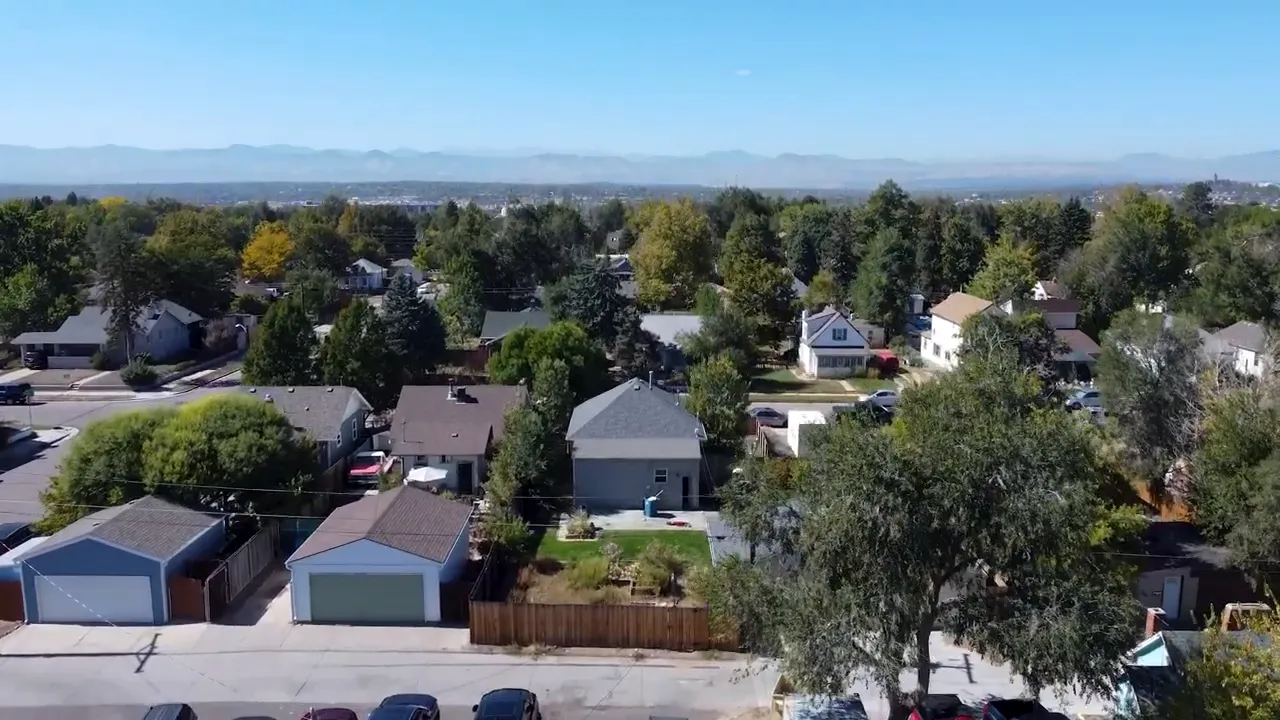
A few quick examples show how different the options can be:
- Fort Collins tends to offer a mix of lifestyle and activity.
- Frederick often gives us more affordability and more of a small town feel.
- Boulder can offer a high end lifestyle, but usually with a much steeper cost.
The big takeaway is simple. People usually regret the location, not the countertop selection. When moving to Northern Colorado, neighborhood fit and city personality should carry a lot of weight.
EXPLORE THE NEWEST HOMES AVAILABLE IN NORTHERN COLORADO
Northern Colorado Metro Districts & Property Taxes
One of the most overlooked parts of buying a home here is the tax structure, especially in newer communities.
A metro district is somewhat similar to an HOA in the sense that it helps fund community features and infrastructure. Things like parks, pools, landscaping, roads, and neighborhood amenities can be covered through the tax bill instead of through a traditional HOA payment.
That does not automatically make metro districts bad. Some people are completely fine with them. Others want nothing to do with them. The problem is not the district itself. The problem is buying without understanding what it means.
If the home was built in roughly the last 10 to 15 years, there is a good chance it may be in a metro district.
In many Northern Colorado areas, regular property taxes might land around 0.6% to 0.8%. In metro district communities, that number can jump more into the 1% to 1.5% range.
On a $500,000 home, that difference is meaningful. At 1%, we are talking about $5,000 per year. At 1.5%, it is $7,500 per year.
For some buyers, especially those coming from higher cost states, that may still feel reasonable. For others, it can be a deal breaker. Either way, we need to know before we buy.
The good news is there are communities that offer a similar feel without a metro district and without an HOA. If that setup matters to us, there are options.
Commute Tips for Moving to Northern Colorado
Another major mistake when moving to Northern Colorado is underestimating the drive.
Traffic here is not usually terrible compared with places like New York or California. In fact, many people coming from larger metros feel like it is pretty manageable. But that does not mean commute times should be ignored.
Your main North-South routes are typically I-25 and Highway 287.
I-25 is the main corridor connecting Fort Collins down toward Denver. For the most part, it is pretty workable, but construction and occasional major accidents can absolutely slow things down.
Highway 287 also connects north and south, but it tends to have more stop and go movement because of traffic lights and local flow.
There is also E-470, a toll road that can help route around some congestion depending on where we are headed.
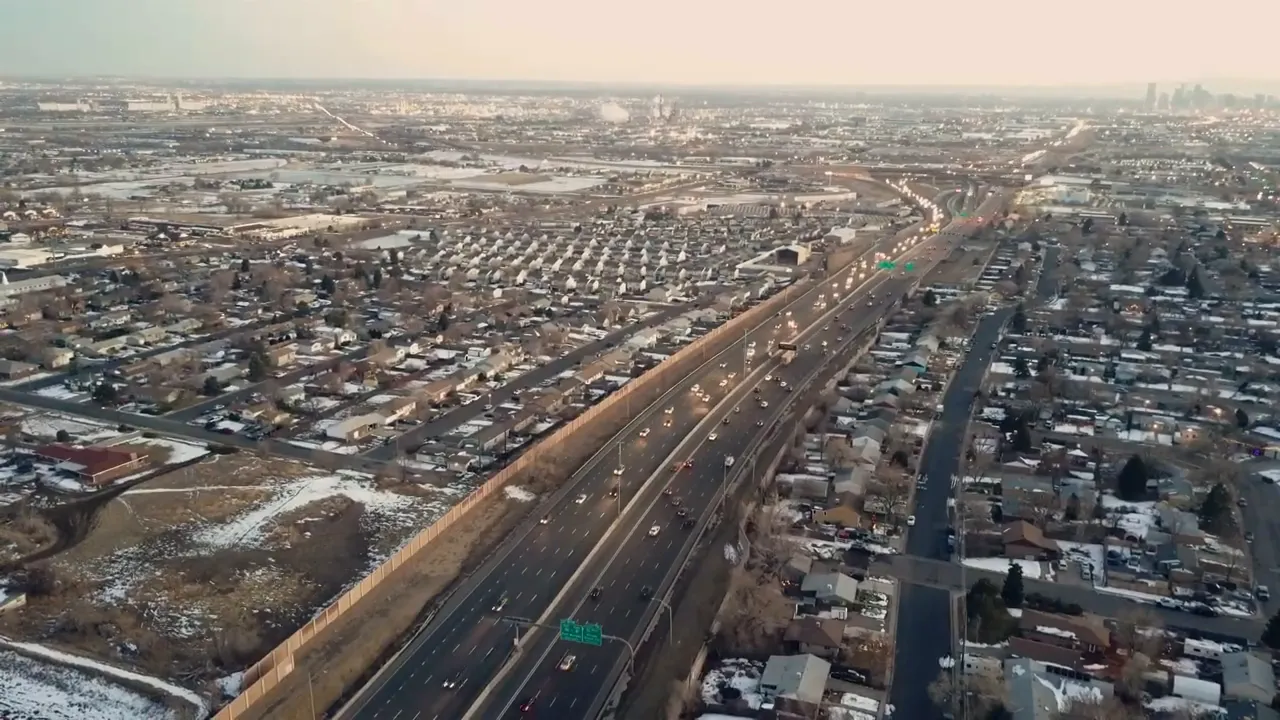
The key is to line up home shopping with real life patterns. Where are we working? How often are we driving south? Do we need quick airport access? Are we okay with a little extra distance if the town itself is a better fit?
When moving to Northern Colorado, a home that looks perfect online can feel very different once that daily drive gets added in.
Home Inspection Tips in Northern Colorado
This one sounds basic, but it is one of the biggest mistakes buyers can make.
Do not skip the inspection.
It does not matter if the house is 100 years old, 50 years old, 10 years old, or brand new. New construction does not guarantee perfect construction. Problems can still show up.
There are three inspections that deserve special attention:
- General inspection for the overall condition of the home, including roofing, plumbing, electrical, appliances, and more.
- Sewer scope because the sewer line is one of the few major systems we cannot easily see.
- Radon test because radon can come up from the soil and create a health concern.
The sewer scope is one that we strongly recommend across the board, even on newer homes. It is too important to ignore. And in Northern Colorado, radon testing should be firmly on the checklist as well.
When moving to Northern Colorado, the goal is not just getting under contract. The goal is making sure we know what we are actually buying.
How Northern Colorado Cities Compare
This connects back to lifestyle, but it deserves its own section because the differences are real.
Every city in this region has its own personality. Some places have more charm and community character. Some feel newer and more suburban. Some lean heavily on affordability. Others blend price and outdoor access in a way that is hard to beat.
A few examples:
- Lafayette tends to carry more character and community feel.
- Windsor often feels more suburban with newer homes.
- Greeley can be a strong option when affordability is the top priority.
- Loveland stands out for balancing affordability with outdoor lifestyle and close access to Fort Collins.
This is why broad assumptions can get us in trouble. Two towns may be close on a map and still feel completely different once we spend time in them.
If we are moving to Northern Colorado, we should treat each city like its own market and its own lifestyle choice, because that is exactly what it is.
Budgeting for a Home in Northern Colorado
Just because we are approved for a number does not mean we should spend up to it.
This is one of the easiest traps to fall into when buying a home. The approval amount can make a buyer feel comfortable stretching, but the monthly reality is what matters more.
Once we add in property taxes, possible metro district costs, HOA dues, insurance, and all the normal ownership expenses, the payment can look very different than expected.
Someone could be approved for a $1 million home and still hate the monthly number that comes with it. In that situation, the approval does not really help.
Comfort level matters more than maximum loan size.
That is the smart way to approach moving to Northern Colorado. Buy the home that works for your life, not just the one the lender says is technically possible.
EXPLORE HOMES FOR SALE IN NORTHERN COLORADO
FAQs About Moving to Northern Colorado
What is the biggest mistake people make when moving to Northern Colorado?
The most common mistake is focusing too much on the house itself and not enough on location, lifestyle, taxes, commute, and total monthly cost.
Are metro districts bad in Northern Colorado?
Not necessarily. They are not automatically a negative. They simply need to be understood because they can raise property tax costs in exchange for funding neighborhood amenities and infrastructure.
Is traffic bad when moving to Northern Colorado?
Compared with many larger metro areas, traffic is usually manageable. Still, commute times can vary a lot depending on whether we rely on I-25, Highway 287, or routes involving E-470.
Should we inspect a brand new home?
Yes. Even new construction should be inspected. A general inspection, sewer scope, and radon test can all help uncover issues that are not obvious during a normal showing.
Which matters more when buying, pre-approval amount or comfort level?
Comfort level matters more. A lender may approve a certain amount, but if the monthly payment feels too high after taxes, insurance, and other costs, it is not the right fit.
Moving to Northern Colorado is exciting, and there is a lot to love here. The best way to avoid regret is to think bigger than the house. Get the city right, understand the hidden costs, take the commute seriously, inspect everything, and leave room in the budget to actually enjoy the life you came here for.
If you’re thinking about buying soon, I can help you avoid the common pitfalls and make sure the area, taxes, and commute truly fit your lifestyle. Call/Text me at 720-807-5991 or schedule a FREE consultation to get started.