Table of Contents
- Introduction
- Start with Lifestyle When Moving to Northern Colorado
- Northern Colorado Neighborhood Types Explained
- Commute Impact When Moving to Northern Colorado
- Schools in Northern Colorado and How They Shape Your Choice
- HOA and Metro District Costs in Northern Colorado
- Space vs Convenience in Northern Colorado Homes
- Growth Areas to Watch in Northern Colorado
- Visit Before Moving to Northern Colorado
- Putting It All Together for Northern Colorado Buyers
- FAQs About Moving to Northern Colorado
Introduction
If you are moving to Northern Colorado, the neighborhood you choose is going to shape your experience just as much as the house itself. A lot of people begin with price, bedroom count, and square footage. That makes sense, but it is usually not the best starting point.
When we are moving to Northern Colorado, the smarter move is to start with lifestyle. How we spend our weekdays, what kind of commute we can tolerate, how close we want to be to trails or mountains, whether we want a newer planned community or an older area with character, and how much home we expect for the money all matter.
That is really how we narrow this down. First the lifestyle. Then the location. Then the city. Then the neighborhood. After that, the house search gets a whole lot easier.
EXPLORE THE NEWEST HOMES AVAILABLE IN NORTHERN COLORADO
Start with Lifestyle When Moving to Northern Colorado
Before we start sorting listings, we need to get honest about what day to day life actually looks like.
That means asking questions like these:
- How often are we commuting and where are we going?
- Do we want easy access to hiking, biking, and open space?
- Do we care about being close to the foothills or mountains?
- Are there certain gyms, grocery stores, or coffee shops we want nearby?
- Do we want a downtown feel or something quieter and more suburban?
- Are we okay driving for amenities, or do we want them built into the neighborhood?
Those questions do more to guide a smart move than filtering homes by four bedrooms and a target price ever will.
For anyone moving to Northern Colorado, this matters because the region is not one single vibe. Boulder feels different from Loveland. Fort Collins feels different from Frederick. West Loveland feels different from Greeley. If we skip the lifestyle conversation, we can end up searching the wrong places from day one.
Northern Colorado Neighborhood Types Explained
One of the biggest surprises for people moving to Northern Colorado is how many neighborhood styles exist within a relatively connected region. In general, three broad categories show up again and again.
1. Master planned communities
These are some of the most common neighborhoods being built across the area right now. They are usually newer construction communities with amenities built in.
What we can expect:
- Neighborhood pools
- Parks and trails
- Community gathering spaces
- Sometimes coffee shops or restaurants nearby or within the development
- A more polished and predictable look
There is a lot to like here. These communities can be convenient, clean, and easy to settle into. In some cases, they are designed so well that daily errands and recreation are all close by.
But there are tradeoffs. The homes can feel more similar to one another, and these neighborhoods often come with an HOA, a metro district, or both. Those extra costs are not automatically bad, but they need to be understood upfront.
2. Established and historic neighborhoods
If we want more charm, mature trees, and homes with personality, older neighborhoods may be the better fit.
Places like Lafayette, Louisville, and Frederick can offer that more established feel, especially in areas near older town centers. These neighborhoods often have:
- Older homes with more character
- Mature landscaping
- Larger yards in some cases
- Less of a cookie cutter look
- Fewer HOA restrictions
That said, older homes need a more careful eye. Updates and maintenance history matter. Sewer lines, major systems, and overall condition become more important because even a beautiful home can come with hidden costs if it has not been well cared for.
3. Outdoor centered neighborhoods near the foothills
For many people moving to Northern Colorado, the dream is to be closer to the mountains and outdoor access. If that sounds like us, areas in or near Boulder, Berthoud, and West Loveland may stand out.
These neighborhoods can offer:
- Better access to trails and foothills
- A mix of older and newer homes
- Sometimes more space
- A lifestyle built around outdoor recreation
Here is the rule of thumb worth remembering. Once we move closer to the mountains, prices tend to rise. A simple way to think about it is this: west of I 25 usually gets more expensive.
That does not mean east of I 25 is a bad move. In fact, many people buy farther east to stretch their dollar, build equity, and decide later whether they want to move farther west.
Commute Impact When Moving to Northern Colorado
This is one of the biggest factors in moving to Northern Colorado because a location that looks perfect on paper can feel completely wrong once the commute kicks in.
The three major work hubs that come up most often are:
- Fort Collins
- Boulder
- Denver
All three tend to carry higher home prices, which is why so many buyers look at surrounding cities that still offer manageable access.
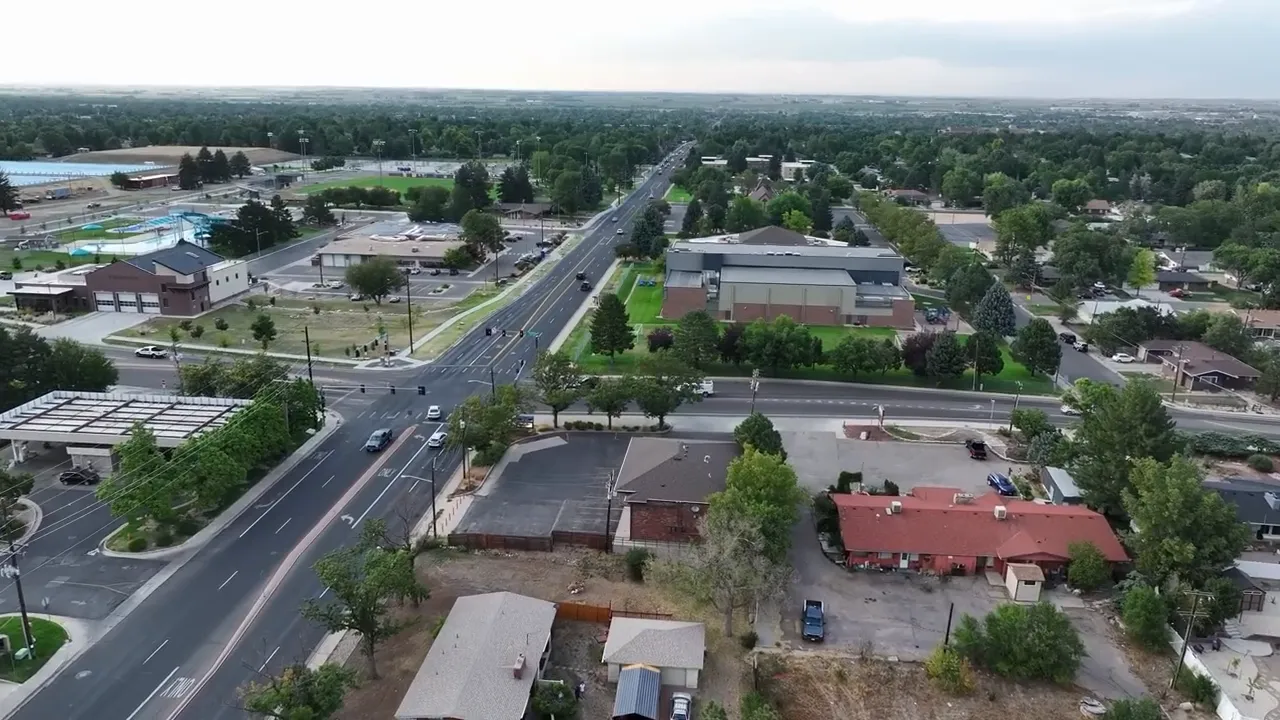
If work is in Fort Collins
Fort Collins is popular, but it is also pricier than some neighboring options. The average home price mentioned falls roughly between $575,000 and $625,000.
Loveland can be a strong alternative if we want to stay close while lowering the price point. Around $500,000 to $550,000 was the range given, and the drive is often about 20 minutes south.
Greeley can push affordability even further. A home around $400,000 may be possible there, while still keeping a commute to Fort Collins around 30 minutes in many cases.
If work is in Boulder
Boulder is one of the easiest places to love and one of the hardest places to justify financially. The average home price mentioned was about $1.2 million.
That is why many people working in Boulder focus on nearby cities such as:
- West Longmont
- Louisville
- Lafayette
- Erie
These locations can offer a much more realistic price point while keeping a solid commute into Boulder.
If work is in Denver
When Denver is the destination, a lot of people look at the Frederick, Firestone, and Dacono area. From there, a commute of around 30 to 40 minutes to Denver can be possible, depending heavily on traffic.
I 25 traffic can absolutely change the experience, so alternative routes matter. E 470, the toll road, can sometimes save serious time if the interstate is backed up. That may be worth it depending on work schedule and how often we need to make the trip.
The bigger point is not that one commute is universally good or bad. It is that commute tolerance is personal. Some people are fine driving an hour. Others know 25 minutes is their hard limit. That answer changes everything about the map.
Schools in Northern Colorado and How They Shape Your Choice
For families moving to Northern Colorado, schools can narrow the search quickly. But this is where it helps to avoid one size fits all thinking.
What matters to one family may not be the same for another. That is why the best approach is to do the legwork ourselves and verify fit based on our own priorities.
A solid school research process can include:
- Checking ratings and reviews online
- Reading local parent feedback in community groups
- Touring schools in person when possible
- Comparing public, charter, and private options
Another important point is that this region offers flexibility. There are charter schools, private schools, and open enrollment options. In some cases, a family may live in one city and still apply to a school in another city if space is available. So the school search does not always have to match city boundaries perfectly.
HOA and Metro District Costs in Northern Colorado
This is one of the most important topics for people moving to Northern Colorado, especially if we are buying in newer communities.
HOA basics
Most people already have at least some idea of what an HOA is. In townhomes and condos, it is common. In single family home neighborhoods, it depends.
Some people like HOAs because they help maintain neighborhood appearance and keep common areas in good shape. Others want nothing to do with them because they do not want added rules on exterior changes, parking, or property use.
For single family homes in Northern Colorado, the HOA range mentioned was roughly $50 to $150 per month.
That fee may support parks, neighborhood amenities, and general upkeep. Whether that is a benefit or a downside comes down to personal preference.
Metro taxing districts
This is the one that catches many out of state buyers off guard.
A metro district works somewhat like an HOA in the sense that it helps fund infrastructure and neighborhood amenities, but the cost is generally built into property taxes rather than charged as a standard monthly association fee.
Without a metro district, property taxes were described as commonly falling around 0.6 percent to 0.8 percent.
With a metro district, that can increase to roughly 1 percent to 1.5 percent.
On a $500,000 home, that can mean about $5,000 to $7,500 per year in property taxes.
That difference can have a real impact on the monthly payment. It does not mean a metro district is bad. In many cases, those funds support:
- Parks
- Pools
- Trails
- Landscaping
- Roads and infrastructure
The key is awareness. We just want to know what we are paying for and how it changes affordability before we fall in love with a neighborhood.
Space vs Convenience in Northern Colorado Homes
Every buyer in this region is balancing three things:
- Price
- Location
- Space
Usually we do not get to maximize all three at once.
If we want to live in Boulder, a big part of what we are paying for is not just the structure itself. We are paying for convenience, mountain proximity, and the lifestyle that location offers.
If we are willing to be farther out, the dollar can go a lot further in places like:
Those cities may offer more house, more yard, and more breathing room for the same budget. For some of us, that matters more than being right next to the foothills.
This is why moving to Northern Colorado works best when we identify the real priority. Are we after the shortest commute? The biggest home? The most outdoor access? The best value? Once we know which one matters most, the decision path gets clearer.
Growth Areas to Watch in Northern Colorado
Some cities in Northern Colorado are already mature and built out. Others are changing fast.
That future growth question matters because it affects both lifestyle and long term upside.
In faster growing areas, we often see:
- More new construction
- More development still in progress
- Lower entry prices compared to nearby established cities
- Potential for equity growth as the area fills in
Frederick was given as a personal example of this kind of choice. It offered an affordable entry point with the expectation that continued development could support value growth over time.
But growth is not always a plus for everyone. If we do not like active construction, limited amenities during early development, or the newer subdivision feel, then a more established city may fit better.
Places like Louisville, Lafayette, and Longmont tend to offer more of that already built environment with amenities in place. Usually that convenience comes at a higher price, but some buyers would rather pay for a finished ecosystem than wait for one to develop.
Visit Before Moving to Northern Colorado
If there is one practical tip that can save the most regret when moving to Northern Colorado, it is this: spend time in the area before buying if at all possible.
A weekend visit can do a lot. It gives us a feel for:
- The pace of each city
- What the downtown areas are like
- How neighborhoods connect to daily amenities
- What the drives actually feel like
- Whether the lifestyle matches what we thought it would be
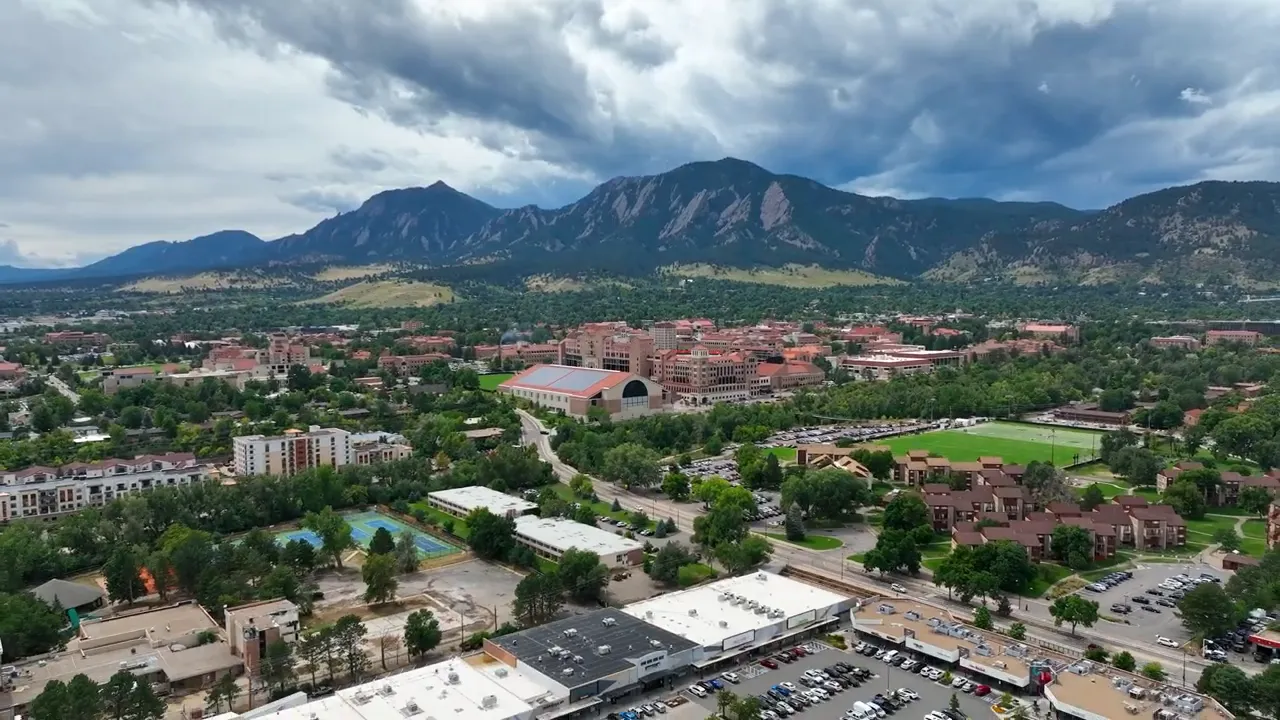
That kind of trip helps us narrow things down far more confidently. Once we identify the right area, the rest of the search can become much more efficient.
And if we are relocating from out of state, technology makes the process easier after that first visit. Video tours, live walkthroughs, and virtual calls can help us evaluate homes without jumping on a plane every time a good listing hits the market.
The important part is that we do not choose a neighborhood blindly. The more we can test the lifestyle before buying, the better the odds we land somewhere that truly fits.
Putting It All Together for Northern Colorado Buyers
Finding the right neighborhood is not really about finding the absolute best city in Northern Colorado. It is about finding the best fit for our priorities.
When we are moving to Northern Colorado, here is the order that tends to work best:
- Define lifestyle first.
- Map out commute boundaries.
- Decide whether we want newer, older, or outdoor centered neighborhoods.
- Research schools if they matter for the move.
- Review HOA and metro district costs carefully.
- Choose between more space or more convenience.
- Think about future growth and development.
- Spend real time in the area before committing.
Do that, and the house hunt stops feeling random. It becomes much easier to sort through the noise and focus on the neighborhoods that genuinely make sense.
EXPLORE THE NEWEST HOMES AVAILABLE IN NORTHERN COLORADO
FAQs About Moving to Northern Colorado
What is the first step when moving to Northern Colorado?
The best first step is to define lifestyle needs before searching for homes. Commute, outdoor access, nearby amenities, and the kind of neighborhood feel we want should come before filtering by bed count or square footage.
Are newer master planned communities a good option in Northern Colorado?
They can be a great option if we want newer construction and built in amenities like parks, trails, and pools. The tradeoff is that they may feel more uniform and often come with HOA fees, metro districts, or both.
Is it more expensive to live closer to the mountains?
Generally yes. A helpful rule of thumb is that areas west of I 25 tend to be more expensive, especially as we move closer to Boulder, the foothills, and mountain access.
Which cities can work for commuting to Fort Collins, Boulder, or Denver?
For Fort Collins, Loveland and Greeley can be good alternatives. For Boulder, cities like West Longmont, Louisville, Lafayette, and Erie often come up. For Denver, Frederick, Firestone, and Dacono are common options for commuters.
What should we know about metro taxing districts when moving to Northern Colorado?
Metro districts can increase property taxes compared with neighborhoods outside them. They often help fund amenities and infrastructure, so they are not automatically negative, but they can significantly affect the monthly payment and should always be reviewed before buying.
Should we visit before buying a home in Northern Colorado?
Yes, if possible. Spending even a weekend in the area can help us compare cities, test drive commutes, explore downtowns, and get a much clearer sense of which neighborhood actually fits our goals.
Ready to find the right Northern Colorado neighborhood for your lifestyle—not just a house listing? Call or text me at 720-807-5991, and we’ll map out cities, commutes, schools, and neighborhood costs together. You can also schedule a meeting here: Book a time to talk.