Thinking about moving to Loveland, Colorado? It is easy to see why this city keeps landing on people’s radar. Loveland gives you strong mountain access, a more relaxed pace than Fort Collins, and enough shopping, restaurants, and everyday conveniences to feel established without feeling overly packed.
If you are exploring moving to Northern Colorado, Loveland often sits right in the sweet spot. It can work especially well for people who want room to breathe, a manageable commute, and a lifestyle that leans outdoors without Boulder-level pricing.
That said, moving to Loveland, Colorado is not automatically the right fit for everyone. The best way to evaluate it is to break the city into the practical stuff that actually affects day to day life: location, commute times, cost of living, neighborhoods, home styles, and access to recreation.
Table Of Contents
- Why Location Matters When Moving to Loveland, Colorado
- Loveland, Colorado Population Growth & Overall Feel
- Cost of Living & Home Prices in Loveland, Colorado
- Loveland, Colorado Neighborhoods & Housing Options
- Outdoor Recreation & Lifestyle in Loveland, Colorado
- Schools in Loveland, Colorado: What to Know
- FAQs About Moving to Loveland, Colorado
Why Location Matters When Moving to Loveland, Colorado
One of the biggest reasons people consider moving to Loveland, Colorado is where it sits on the map. Loveland is in Larimer County, just south of Fort Collins and just north of Berthoud. That location gives you some real flexibility.
A lot of people who live in Loveland either work in Fort Collins or want easy access to it. Fort Collins tends to be busier and more expensive, so Loveland can feel like a smart alternative if you like that area but do not necessarily want to pay Fort Collins prices. The drive north is typically around 20 minutes, which is very reasonable for many commuters.
If you need access to Denver, you are generally looking at about 45 to 60 minutes depending on traffic. For Denver International Airport, a realistic range is closer to 60 to 70 minutes. So Loveland is not right next to Denver, but it is close enough for plenty of people who want occasional city access without living in the middle of the metro.

The other major location advantage is mountain access. Loveland sits close to Estes Park and Rocky Mountain National Park, which is a big deal if you are coming to Colorado for the scenery and the lifestyle. This part of the state delivers the postcard version of Colorado people tend to picture: mountain views, hiking, camping, and quick escapes into the foothills.
That is really the pitch in a nutshell. Loveland works well if you want access to Fort Collins, Denver, and the mountains, but you would rather avoid a strong college-town vibe and some of the higher costs that come with neighboring markets.
VIEW HOMES FOR SALE IN LOVELAND COLORADO
Loveland, Colorado Population Growth & Overall Feel
Loveland has roughly 81,000 residents, which makes it one of the larger cities in Northern Colorado. It is not a tiny town, and that matters. You are not moving somewhere that lacks basic infrastructure or daily necessities.
For context, Longmont is around 100,000 people and Fort Collins is around 170,000. Compared with the many smaller Northern Colorado communities that might have 15,000 to 30,000 residents, Loveland feels more built out and established.
That gives you a nice middle ground. Loveland has hospitals, shopping, restaurants, and the everyday amenities most people want close by. At the same time, it still feels more laid back and community oriented than Fort Collins.
If you have looked at places like Erie, Frederick, or Windsor, Loveland is generally going to feel more mature and more complete than those areas. But it still will not feel as busy or as packed as Fort Collins. For a lot of people considering moving to Northern Colorado, that balance is exactly the appeal.
Cost of Living & Home Prices in Loveland, Colorado
For many buyers, this is the section that matters most. If you are seriously considering moving to Loveland, Colorado, the price gap between Loveland and Fort Collins is one of the strongest reasons to give Loveland a close look.
Fort Collins home prices commonly fall in the ballpark of $575,000 to $625,000. In Loveland, the average range is more like $500,000 to $550,000, and it is not unusual to find a solid home around that lower threshold.
That difference can matter a lot, especially if your job or lifestyle still keeps you closely tied to Fort Collins. Paying less for the house while keeping a workable commute is a big reason people choose Loveland.
But the purchase price is only part of the equation. Monthly payment is what usually matters more in real life. When evaluating homes, it makes sense to look beyond the sticker price and factor in:
- Homeowners insurance
- Property taxes
- HOA fees
- Whether the property sits in a metro taxing district
This last point is important, especially in newer areas. A metro district can raise your tax burden in a way that materially changes your monthly payment. In the examples given, homes in metro districts may carry property tax rates around 1% to 1.5%, while homes outside those districts may land closer to 0.6% to 0.8%.
That is not a tiny detail. It can have a noticeable impact on affordability. So if you are moving to Loveland, Colorado and comparing neighborhoods, this is one of those behind the scenes numbers worth paying close attention to.
Loveland, Colorado Neighborhoods & Housing Options
Loveland is not just one uniform market. Different parts of town attract different buyers, and understanding those sections helps a lot when narrowing your search.
West Loveland
West Loveland puts you closer to the mountains. That usually means more established neighborhoods, stronger views, and higher demand. It is a popular part of town for people who care most about quick access to Estes Park, Rocky Mountain National Park, and outdoor recreation in general.
Because of that location, prices in West Loveland often run above the city’s more typical $500,000 to $550,000 range.
Central Loveland
Central Loveland is a strong option if you want convenience and character. This area gives you easier access to downtown and can make walkability, biking, or short drives much more realistic. The homes tend to be older and have more personality. In some spots, lot sizes can be smaller, but the tradeoff is charm and proximity.
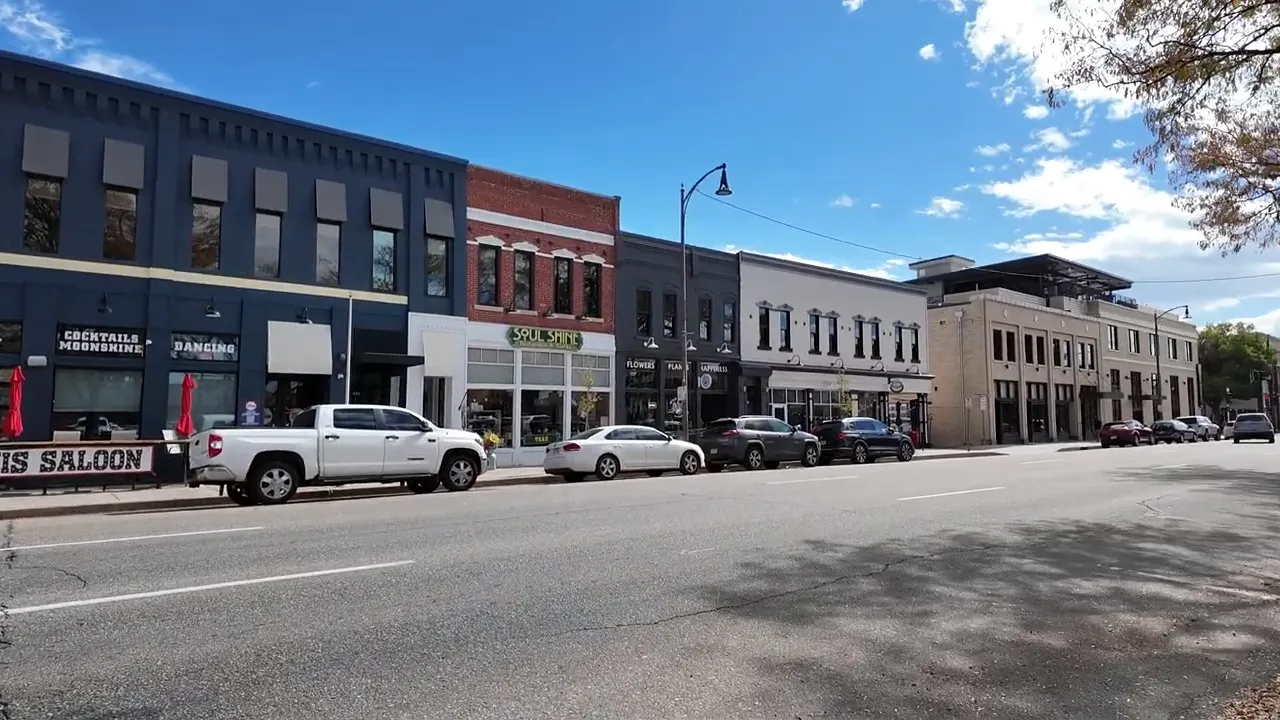
If you like historic neighborhoods and being near a more traditional downtown environment, this area deserves a look.
North Loveland
North Loveland is especially attractive for commuters heading into Fort Collins. Housing here tends to be a mix of older and newer homes, and the location gives you one of the easier setups for driving north on a regular basis.
For anyone whose work, family, or social life keeps pulling them toward Fort Collins, North Loveland can be a very practical compromise.
East Loveland
East Loveland is where you are more likely to find newer construction and newer subdivisions. If a brand new home is high on your list, or if builder incentives matter to you, this side of town is often where the search begins.
Another reason East Loveland gets attention is proximity to Interstate 25, which is your main north-south corridor for getting to Fort Collins or Denver.
Just keep an eye on HOA fees and metro district taxes in the newer communities. New builds can be attractive on the surface, but the monthly cost picture needs to be looked at carefully.
Outdoor Recreation & Lifestyle in Loveland, Colorado
If outdoor recreation matters to you at all, this is where moving to Loveland, Colorado starts to make a lot of sense.
Loveland gives you access to places like Horsetooth Reservoir, Carter Lake, Boyd Lake, and Devil’s Backbone. These are the kinds of spots people end up using regularly once they settle into life in Northern Colorado.

Then you add in Estes Park and Rocky Mountain National Park, and the lifestyle value becomes obvious. Hiking, biking, camping, paddling, and mountain day trips are all within reach. Even if outdoor recreation is not the main reason you are moving, chances are good it becomes a bigger part of your life once you are here.
This is one of Loveland’s strongest selling points. You get outstanding access to the mountains without stepping into the pricing that often comes with places like Boulder.
Schools in Loveland, Colorado: What to Know
If you are moving to Loveland, Colorado with kids, schools are obviously part of the equation. The smartest approach here is not to rely on one-size-fits-all rankings or general opinions.
What feels like a great school for one family may not be the right fit for another. A better approach is to do the homework yourself:
- Look into the specific district and schools tied to the neighborhoods you like
- Talk to local parents in community groups
- Visit the school in person if possible
- Think about your child’s specific needs, not just overall ratings
That kind of research will tell you much more than a generic score ever will.
EXPLORE THE NEWEST HOMES AVAILABLE IN NORTHERN COLORADO
FAQs About Moving to Loveland, Colorado
Is Loveland More Affordable Than Fort Collins?
Generally, yes. The home price ranges discussed put Loveland around $500,000 to $550,000 on average, compared with roughly $575,000 to $625,000 in Fort Collins. The exact monthly cost still depends on taxes, insurance, HOA fees, and whether the home is in a metro district.
How Far Is Loveland From Fort Collins?
The drive is usually about 20 minutes, which is one reason Loveland is popular with people who work in Fort Collins but want a different price point or a slightly calmer feel.
Is Loveland A Good Option For People Moving To Northern Colorado?
It can be a very strong option. Loveland offers a good balance of amenities, access to larger cities, a more relaxed atmosphere, and excellent outdoor recreation. For many people moving to Northern Colorado, it lands right in the middle of convenience and lifestyle.
Which Part Of Loveland Is Best?
That depends on your priorities. West Loveland is attractive for mountain access and views. Central Loveland offers older homes and downtown convenience. North Loveland works well for Fort Collins commuters. East Loveland tends to have newer construction and quick Interstate 25 access.
What Is The Biggest Advantage Of Moving To Loveland, Colorado?
For a lot of people, it is the mix of affordability, location, and outdoor access. You can stay connected to Fort Collins and Denver while also being close to Estes Park, Rocky Mountain National Park, lakes, trails, and open space.
At the end of the day, moving to Loveland, Colorado makes the most sense for someone who wants a city that feels established but not overwhelming, outdoorsy but still practical, and connected without feeling too crowded. It gives you a little more breathing room, and for many people, that is exactly the point.
If you’re considering buying a home in Loveland, I’d love to help you find the right neighborhoods, pricing, and commute fit for your lifestyle. Call or text me at 720-807-5991 or book a FREE consultation here and we can talk through options that make sense for you.