If you are trying to decide between Denver vs Northern Colorado, the truth is that both areas have a lot going for them. You can get mountain access in either one. You can build a great lifestyle in either one. And you can absolutely be happy in either one.
Where the decision gets real is in the details: home prices, commute times, lifestyle, community feel, job access, outdoor recreation, and how much space you want around you.
That is really what separates Denver vs Northern Colorado. One gives you more of that big-city energy, faster pace, and dense convenience. The other gives you a more laid-back feel, stronger sense of community, and in many cases, a little more house and space for your money.
If you are relocating for work, family, or just a fresh start in Colorado, this guide will help you figure out which side of the Denver vs Northern Colorado debate fits your life best.
Table Of Contents
- How Denver vs Northern Colorado Is Defined
- Population & Overall Feel in Denver vs Northern Colorado
- Cost of Living & Home Prices in Denver vs Northern Colorado
- Lifestyle Differences in Denver vs Northern Colorado
- Job Market & Economy in Denver vs Northern Colorado
- Commute & Traffic Comparison in Denver vs Northern Colorado
- Schools & Family Living in Denver vs Northern Colorado
- Outdoor Recreation in Denver vs Northern Colorado
- Growth, Development & New Construction in Colorado
- Who Should Live In Denver Vs Northern Colorado
- FAQs About Denver vs Northern Colorado Living
How Denver vs Northern Colorado Is Defined
Before comparing Denver vs Northern Colorado, it helps to define what counts as each area.
For Northern Colorado, think of a broad box that includes Fort Collins in the north, Erie in the south, the foothills near Boulder and Lyons to the west, and Greeley to the east. Inside that area, the major cities and towns people commonly consider include Fort Collins, Loveland, Greeley, Longmont, Erie, Johnstown, Milliken, Frederick, Firestone, and a handful of other growing communities.
For Denver, there is a difference between Denver proper and the Denver metro area. Denver itself is the urban core. The metro area expands out to places like Broomfield, Westminster, Parker, Highlands Ranch, and Englewood, plus the neighborhoods and cities surrounding the center.
That matters because someone saying they live in Denver might mean downtown, or they might mean a suburban part of the metro with a totally different feel.
EXPLORE HOMES FOR SALE IN NORTHERN COLORADO
Population & Overall Feel in Denver vs Northern Colorado
One of the clearest differences in Denver vs Northern Colorado is population density.
Denver proper has about 750,000 residents, and the broader metro area sits around 3 million. So yes, you are dealing with a much more populated and more built-up region.
That means:
- Homes are generally closer together
- Your dollar usually does not stretch as far
- Roads and shopping areas feel busier
- You get more of that urban, active-city atmosphere
If you like energy, options, and being near everything, that can be a major plus. If you value quiet, elbow room, and less congestion, it can feel like a downside.
Now compare that to Northern Colorado. The biggest city there, Fort Collins, has around 170,000 residents. That is still a solid-sized city with plenty going on, but it is nowhere near the scale of Denver.
Other notable population centers include:
- Greeley, a large and growing city with a strong economy and more affordability
- Longmont, around 100,000 residents and positioned extremely well for access to Denver and Boulder
- Loveland, around 70,000 residents and often attractive for those wanting affordability near Fort Collins
In practical terms, living in Northern Colorado usually feels less dense, less hectic, and more spacious. You still have amenities, restaurants, employers, and shopping, but the overall vibe is calmer.
Cost of Living & Home Prices in Denver vs Northern Colorado
For a lot of people, this is the category that decides the whole thing.
When weighing Denver vs Northern Colorado, home prices are one of the biggest separators.
In Denver, a typical median home price often lands in the $600,000 to $650,000 range. That is your baseline. You can find condos and townhomes for less, but monthly HOA fees can be significant. In some cases, especially in Denver, $500 per month HOA dues are not unusual.

If you want a higher-end home in Denver, or simply a larger home in a prime location, expect to pay a premium. A lot of that cost is tied to:
- Close proximity to downtown
- Access to major employers
- Established neighborhoods
- Convenient access west toward the foothills and mountains
In Northern Colorado, prices vary more by city, but a broad starting range for an entry-level house is about $450,000 to $550,000.
That range shifts depending on location:
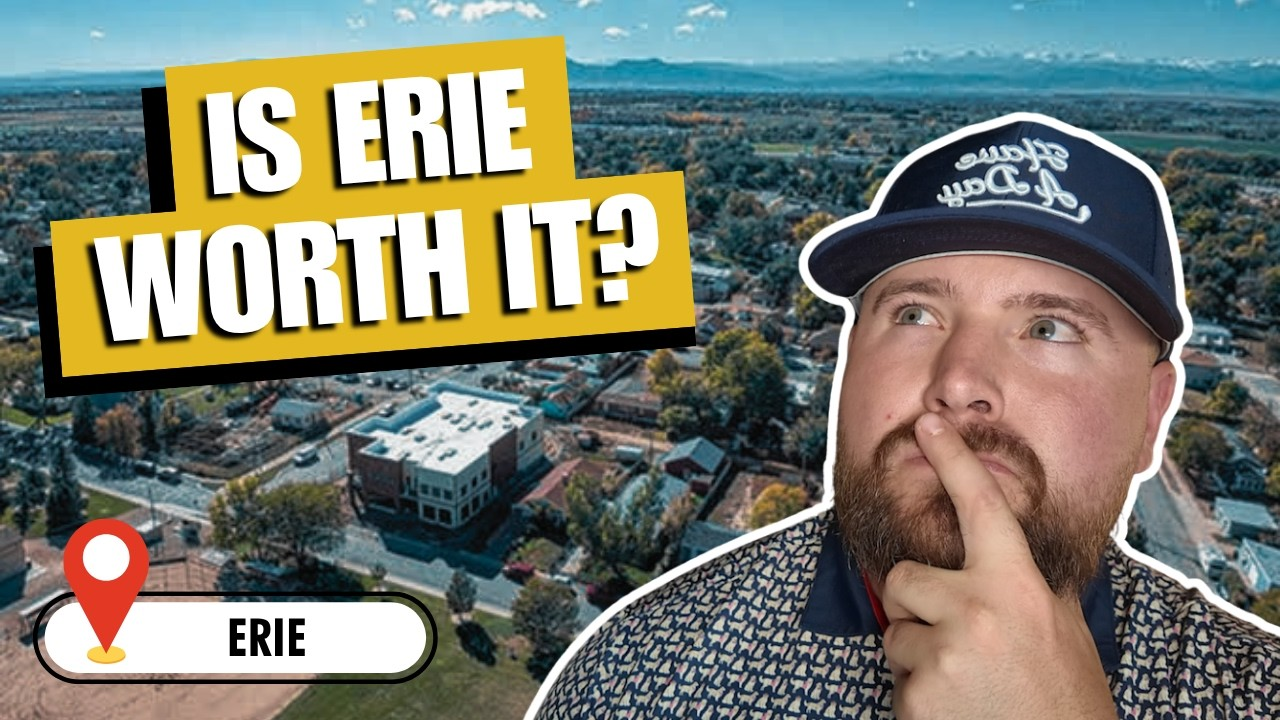
- Erie and parts of Boulder County tend to be more expensive
- Longmont can trend closer to the upper end of the range
- Fort Collins often lands around $550,000 to $600,000
- Greeley can still offer strong homes around $400,000 or less
- Towns farther east like Milliken, Platteville, and Fort Lupton may offer more affordability
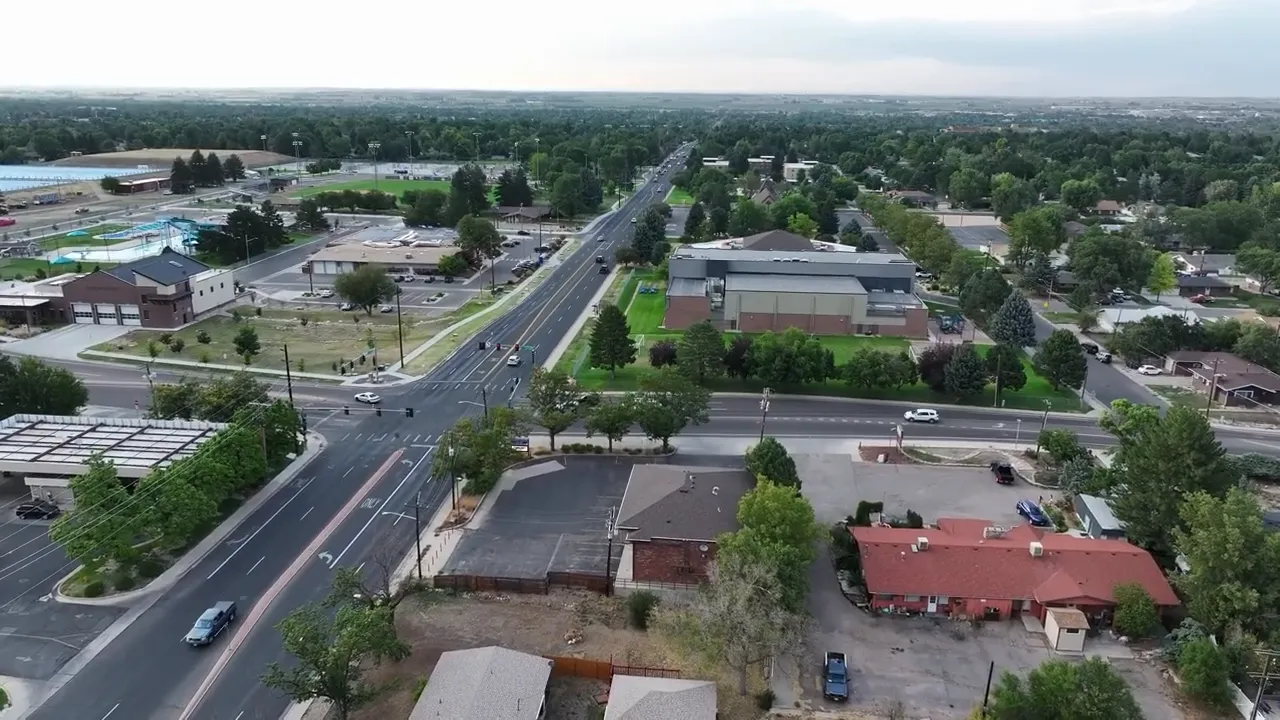
Why the difference? Generally, the farther east you go, the farther you are from the foothills and the more you lose that immediate mountain access and mountain-view premium.
So if budget matters a lot, living in Northern Colorado gives you more flexibility. You may not want every town, but you will have more price points to choose from.
Lifestyle Differences in Denver vs Northern Colorado
This is where the Denver vs Northern Colorado conversation gets personal.
Denver offers a more urban lifestyle. It is faster paced, more active, and more entertainment-heavy. If you want nightlife, bars, sporting events, and a huge variety of restaurants, Denver wins pretty easily.
In Denver, you have access to:
- Major league sports like the Broncos, Nuggets, Avalanche, and Rockies
- A much bigger restaurant scene
- More bars and nightlife options
- A more built-out city experience overall

Northern Colorado is different. It is generally more laid-back and more community-oriented. You still get restaurants, breweries, and some nightlife, especially in places like Fort Collins and Greeley, which both benefit from being college towns. But it is not the same scale as Denver.
What Northern Colorado does extremely well is the everyday quality-of-life stuff:
- More room to spread out
- Less congestion
- Local festivals and farmers markets
- A stronger small-community feel
- A slower overall pace
That is a big reason some people choose to live in Northern Colorado and head into Denver only when they want a night out, a game, or a major event. It can be a very good balance if you want access to the city without living in the middle of it full-time.
Job Market & Economy in Denver vs Northern Colorado
If your move is tied to work, this category matters a lot.
In the Denver vs Northern Colorado comparison, Denver simply has more total job opportunities. It is the biggest city in Colorado, and with that comes a broader economy.
Denver is especially strong for:
- Healthcare and hospital systems
- Tech
- Corporate and professional roles
- In-person office positions, including those in the Denver Tech Center
So if your job is based in Denver, that does not automatically mean you need to live there, but it does mean your commute needs to be part of the equation.
Northern Colorado still has solid job opportunities too. It is not just a bedroom community. The area offers jobs in:
- Manufacturing
- Tech
- Agriculture and ag-related industries
- University-related employment in college towns
Fort Collins, Greeley, Longmont, and nearby Boulder all contribute to the regional job picture. And one thing that shows up a lot in Northern Colorado is the remote-worker lifestyle. People often choose it because they do not need to be in an office every day and would rather trade a shorter occasional commute for more house, more land, and a better everyday environment.
If your job is hybrid or remote, living in Northern Colorado starts looking even more appealing.
Commute & Traffic Comparison in Denver vs Northern Colorado
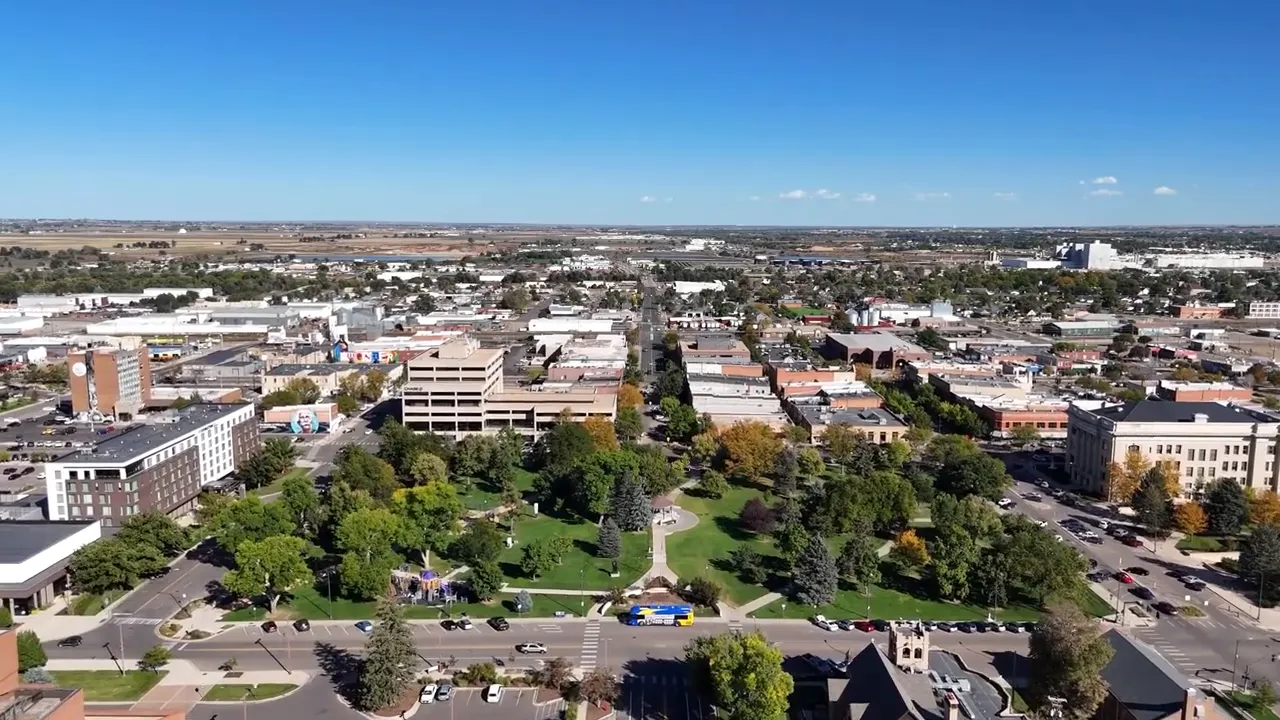
Traffic is always relative. If you are coming from a much larger metro, Colorado traffic may not feel bad at all. If you have been here a long time, you might feel like it has gotten dramatically worse.
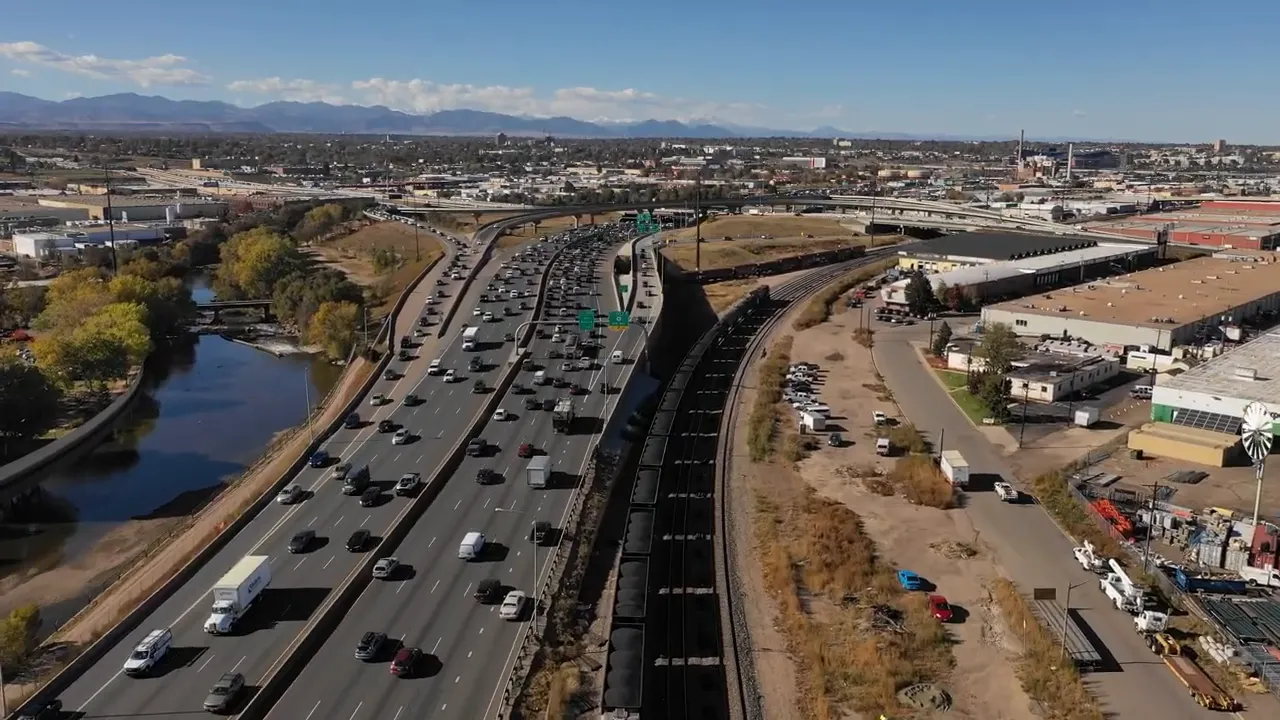
Either way, in the Denver vs Northern Colorado decision, Denver has more congestion. That is just the reality of a larger population and a busier road network.
The main routes people often rely on include I-25 and I-70, and those can absolutely back up depending on time of day and where you are headed.
In Northern Colorado, your commute depends a lot more on which town you choose.
Some examples:
- Erie to Denver: around 25 to 35 minutes
- Erie to DIA: around 30 to 35 minutes
- Erie to Fort Collins: roughly an hour
- Longmont: highly desirable because of access to Denver, Boulder, DIA, Fort Collins, and the foothills
Longmont in particular stands out because it gives you strong regional access in almost every direction. That is a huge reason demand there stays strong.
If you are trying to balance commute and lifestyle, some of the smaller towns between Denver and Fort Collins can also be attractive. Places like Frederick, Firestone, Johnstown, and Milliken appeal to people who want a little more room and a slightly more rural feel without giving up access to jobs and amenities.
Schools & Family Living in Denver vs Northern Colorado
For families, schools often play a major role in the Denver vs Northern Colorado decision. The good news is that both regions offer strong options.
There are good public schools in both areas, and Colorado also gives families flexibility through open enrollment. That means your child is not always locked into the assigned neighborhood school. There are also private and charter school options depending on what you want.
School choice is personal. What one family thinks is a great fit may not be what another family wants. The best approach is to do your own research:
- Read school and district websites
- Check reviews and program offerings
- Join local Facebook groups and ask parents directly
- Tour schools when you are narrowing down neighborhoods
That is especially helpful if you are torn between a suburban Denver area and living in Northern Colorado, where community feel and school culture may differ town to town.

Outdoor Recreation in Denver vs Northern Colorado
Colorado and the outdoors go together. For a lot of people, this part of the Denver vs Northern Colorado debate matters almost as much as price.
Denver gives you great access to the mountains, but less immediate open space inside the city itself. In town, you will find parks, reservoirs, trails, and outdoor areas, especially in the suburbs, but Denver is more built out. Outdoor recreation there is often about how quickly you can jump on the road and head west.
Northern Colorado, though, has a real advantage here. It simply offers more day-to-day outdoor access and, in many cases, less crowding.
Longmont is a great example. It has a ton of walking, biking, and hiking infrastructure, plus spots like:
- McIntosh Lake for paddle boarding and trails
- Golden Ponds for walking, running, and biking
- Union Reservoir, including a dog-friendly beach area
Farther north, you get access to places like:
- Horsetooth Reservoir
- Poudre River Canyon
- Rocky Mountain National Park
That last one is a huge deal. If Rocky Mountain National Park is part of your ideal Colorado lifestyle, living in Northern Colorado puts you in a stronger position for regular access.
Neighborhoods in Northern Colorado also tend to have parks and walking trails woven into the communities. And compared with some of the more tourist-heavy Denver-adjacent outdoor spots, the experience can feel a little less crowded.

Growth, Development & New Construction in Colorado
Another major factor in Denver vs Northern Colorado is how built out each area already is.
Denver is established. In many parts of the city, there is not much room left to spread outward, so growth often happens by building up. That means more condos, townhomes, and denser development.
If you want to stay close to Denver but prefer newer housing, the better options are often in the suburbs around the metro rather than in the center itself.
Northern Colorado is still actively developing. In many ways, the region between Denver and Fort Collins is being filled in. There is strong demand, and with that comes a lot of new neighborhoods, master-planned communities, and fresh inventory.
That creates opportunities for a few types of buyers:
- People who want a brand-new home
- People who like builder incentives
- People looking for a community with newer amenities
- People hoping to buy in an up-and-coming area and build equity over time
Towns like Frederick and Firestone are examples of places where development is accelerating. New stores, new roads, new neighborhoods, and expanded infrastructure can all make these communities more attractive over the next several years.
That also comes with a caution: if you are buying land or a home because it feels private today, always do your due diligence. A vacant parcel nearby may not stay vacant forever.

Who Should Live In Denver Vs Northern Colorado
At the end of the day, the best answer to Denver vs Northern Colorado depends on what you want your everyday life to feel like.
Denver May Be A Better Fit If You Want:
- A more urban lifestyle
- Nightlife, restaurants, bars, and major events nearby
- Easy access to downtown jobs
- Walkability in certain neighborhoods
- The feel of a bigger city with more activity around you
Northern Colorado May Be A Better Fit If You Want:
- More space and less density
- A stronger community vibe
- A family-friendly environment
- More immediate outdoor access
- Greater affordability in many markets
- Flexibility for remote or hybrid work
That is why so many people land on a middle-ground strategy. They choose living in Northern Colorado for the day-to-day lifestyle, then head to Denver when they want pro sports, concerts, nightlife, or big-city energy.
There is no wrong answer here. Both are great places to live. The right choice depends on your budget, your commute, your work situation, your family needs, and how you picture your future in Colorado.
VIEW NEW HOMES FOR SALE IN NORTHERN COLORADO
FAQs About Denver vs Northern Colorado Living
Is Northern Colorado cheaper than Denver?
Generally, yes. In the Denver vs Northern Colorado comparison, Northern Colorado usually offers lower entry points, especially in cities and towns farther east of I-25. Fort Collins and Erie can still be pricey, but places like Greeley and some smaller communities often give buyers more house for less money.
Is Fort Collins better than Denver for families?
For many families, Fort Collins and other Northern Colorado communities feel easier day to day because they offer less congestion, more community feel, and strong outdoor access. Denver may still be the better fit if a family needs to be close to specific jobs, schools, or urban amenities.
Which area has better job opportunities?
Denver has the broader job market overall, especially for healthcare, tech, corporate, and in-person professional roles. Northern Colorado still has solid employment options in manufacturing, tech, agriculture, and university-related jobs, and it can be especially attractive for remote and hybrid workers.
Is traffic really that bad in Denver?
It depends on what you are used to. Compared with larger metros, many people do not think Denver traffic is all that bad. Compared with smaller cities or what Colorado used to be years ago, it can feel much worse. Either way, Denver is more congested than Northern Colorado.
Which has better outdoor recreation, Denver or Northern Colorado?
Both have great mountain access, but living in Northern Colorado usually means more immediate access to trails, reservoirs, parks, and places like Rocky Mountain National Park. Denver is still strong for outdoor access, but more of it involves heading out of the city first.
Is Longmont a good compromise between Denver and Northern Colorado?
Yes, Longmont stands out because of its central location. It offers good access to Denver, Boulder, DIA, Fort Collins, the foothills, and outdoor recreation. That is a big reason it remains in high demand.
Who should choose Denver over Northern Colorado?
Choose Denver if you want the big-city experience, a faster pace, more entertainment, and easy access to major employers. In the Denver vs Northern Colorado decision, Denver fits people who are comfortable with more density and are willing to pay more for convenience and activity.
Who should choose Northern Colorado over Denver?
Choose Northern Colorado if you want more room, a slower pace, stronger community feel, and better day-to-day access to outdoor recreation. It is also a strong option if affordability matters or if you work remotely and do not need to commute into Denver every day.
If you are still stuck on Denver vs Northern Colorado, that usually means you are asking the right questions. The decision is less about which one is objectively better and more about which one matches the life you actually want to build once you get here.
Ready to talk through your situation—budget, commute, and neighborhood fit? Call or text me at 720-595-8045 to get help choosing the right area for your move.
READ MORE: Moving to Colorado: 7 Things to Know Before Relocating to Northern Colorado