If you are seriously considering moving to Longmont Colorado, there is a good chance you are looking for a city that gives you more room, better value, and easier day-to-day living without losing access to Boulder, Denver, and the rest of the Front Range. That is exactly why Longmont keeps coming up for families, professionals, and remote workers who want to be in the middle of it all without paying Boulder prices.
Longmont is one of the more underrated cities along the Front Range. It has an established feel, solid job access, a real downtown, and housing that is still more attainable than many nearby markets. If you are also exploring moving to Northern Colorado, Longmont deserves a serious look because it sits in a sweet spot between convenience, lifestyle, and long-term value.
Table Of Contents
- Where Longmont Colorado Is Located
- Commute Times In Longmont Colorado
- Longmont Colorado Population & City Feel
- Cost Of Living And Home Prices In Longmont Colorado
- Best Neighborhoods In Longmont Colorado
- Job Market In Longmont Colorado
- Things To Do in Longmont Colorado
- Pros And Cons Of Moving To Longmont Colorado
- FAQ About Moving To Longmont Colorado
- Final Thoughts On Moving To Longmont Colorado
Where Longmont Colorado Is Located
One of the biggest reasons people end up moving to Longmont Colorado is location. Longmont sits in northeast Boulder County and extends into southwest Weld County, which gives it a unique advantage. You are close to Boulder, within reach of Denver, and still connected to the broader Northern Colorado region.
That matters more than people think. A lot of cities sound great on paper until you realize every commute is a pain or every trip to the airport becomes a project. Longmont avoids a lot of that. It puts you in a strategic position whether you work nearby, need to travel often, or just want options.
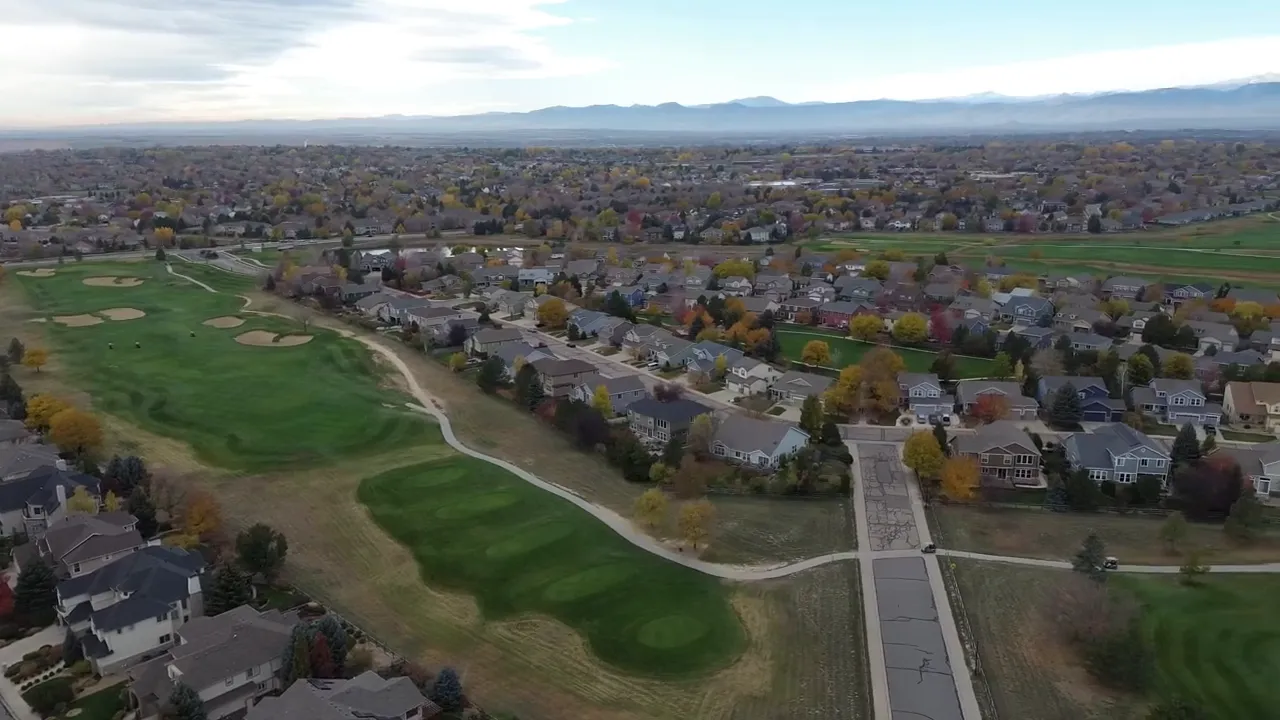
For people comparing cities while moving to Northern Colorado, Longmont tends to land in that middle ground. It is not as expensive as Boulder. It is not as far out as some smaller communities. And it is developed enough that it feels like a real city, not just a bedroom suburb.
VIEW HOMES FOR SALE IN LONGMONT COLORADO
Commute Times In Longmont Colorado
Commute access is one of Longmont’s strongest selling points.
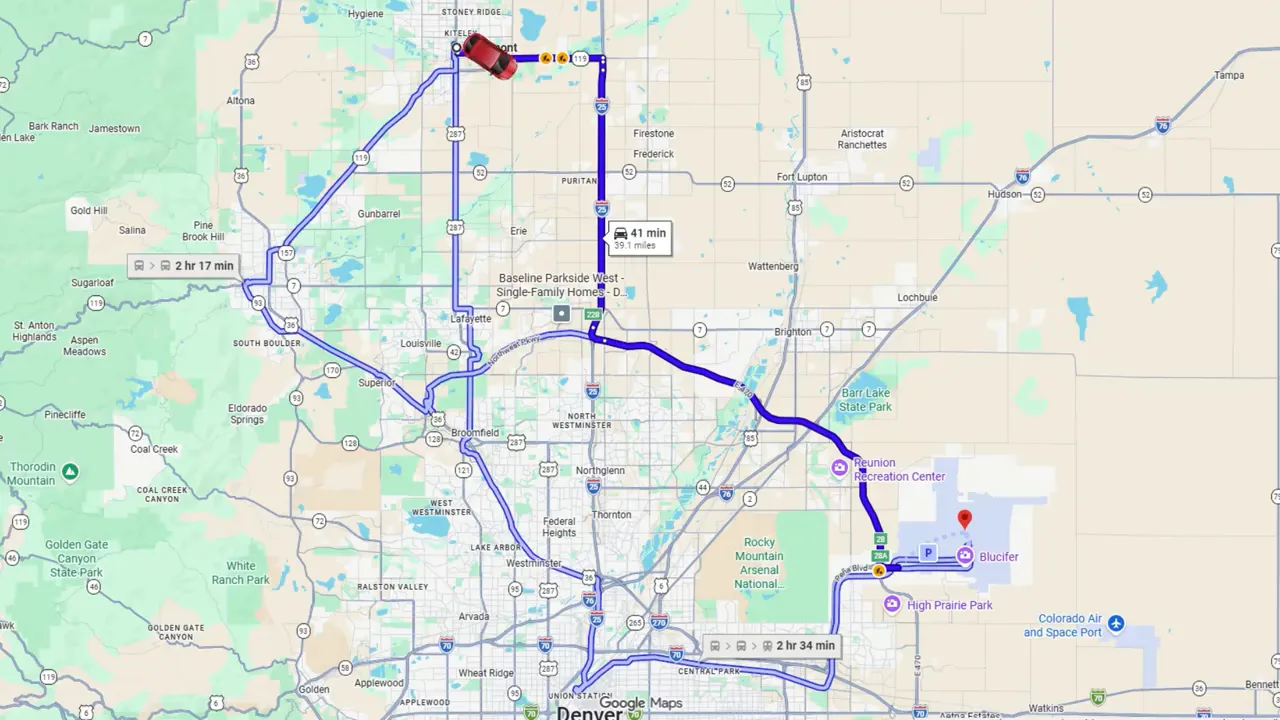
- To Boulder: usually around 25 to 35 minutes depending on where you live in Longmont
- To Denver: often around 40 to 45 minutes, traffic depending
- To DIA: roughly 40 to 45 minutes, again depending on route and time of day
The main roads people rely on include Highway 119, Highway 66, I-25, and Highway 287. If airport access is a priority, E-470 can save time even though it is a toll road.
Traffic here is always relative. If you are coming from a major metro with truly brutal congestion, Longmont and the broader Denver metro probably will not feel that bad. If you have been in Colorado for decades, you may feel the growth more sharply. Both things can be true. The important takeaway is that Longmont offers strong regional access without feeling disconnected.
Longmont Colorado Population & City Feel
Longmont has more than 100,000 residents, which makes it one of the larger cities in Boulder County. It has continued growing at a steady pace, but it still does not feel overwhelming. Compared with Fort Collins, which is around 170,000, Longmont feels substantial without crossing into big-city chaos.
That is part of its appeal. When people talk about moving to Longmont Colorado, they are often looking for a place that already has infrastructure, neighborhoods, shopping, and a functioning downtown. Longmont delivers that established-city feel better than many other communities in Northern Colorado.
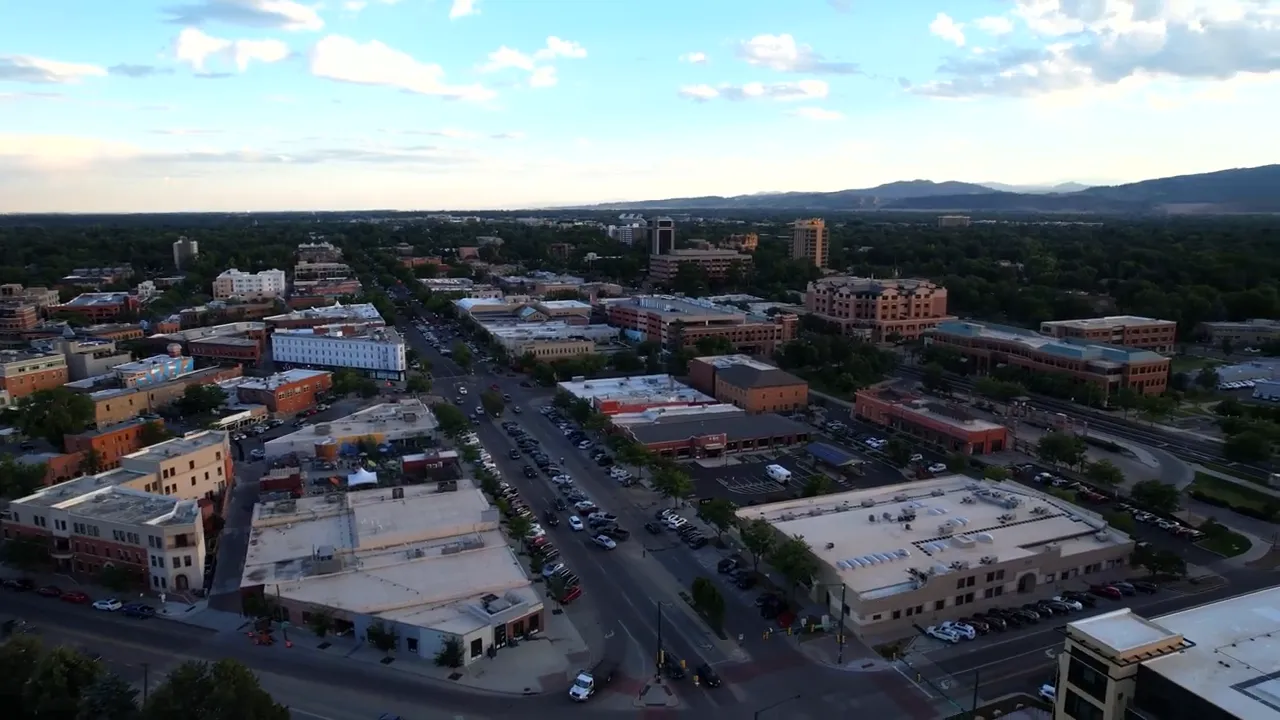
You will find a mix of longtime locals, families, professionals, and remote workers. That blend gives the city a balanced feel. It is not dominated by one age group, one industry, or one lifestyle. For many people, that makes it easier to settle in for the long term.
Cost Of Living And Home Prices In Longmont Colorado
Housing is a major reason so many buyers start considering moving to Longmont Colorado. For a city tied so closely to Boulder County, Longmont can be surprisingly reasonable.
The average home price mentioned falls around $525,000 to $575,000. In today’s Colorado market, especially this close to Boulder, that stands out.
That said, location inside Longmont matters a lot. Because parts of Longmont are in Boulder County and parts are in Weld County, taxes and pricing can shift depending on where you buy.
- Boulder County side: generally higher taxes and often higher home prices
- Weld County side: often more affordable and attractive for buyers focused on monthly payment
- West side: closer to the foothills, closer to Boulder, and typically more expensive
- East side: often offers more value
A lot of buyers use Longmont as a practical alternative to Boulder. Someone renting in Boulder may want to buy but cannot justify a market where average prices can be dramatically higher. Longmont gives those buyers a path into homeownership while staying close to Boulder for work or lifestyle.

Best Neighborhoods In Longmont Colorado
If you are moving to Longmont Colorado, the right neighborhood depends on what matters most to you: walkability, character, affordability, newer homes, or quick access to Boulder.
Old Town Longmont
Old Town is one of the most recognizable parts of the city. It is historic, walkable, and full of character. You will find older homes, mature streets, and easy access to downtown shops and restaurants.
Prices can vary quite a bit here. One home may be around $500,000, while another a couple houses down could be near $1 million if it has been fully updated and remodeled.

South Longmont
If newer construction is high on your list, South Longmont may be worth a close look. Newer developments can offer builder incentives and more modern layouts, which is appealing for first-time buyers and anyone who prefers lower-maintenance living.
One important thing to understand in these newer communities is the possibility of a metro taxing district. This can significantly affect your monthly payment. In general terms, taxes in non-metro districts may run around 0.6% to 0.8%, while metro districts may be closer to 1% to 1.5%.
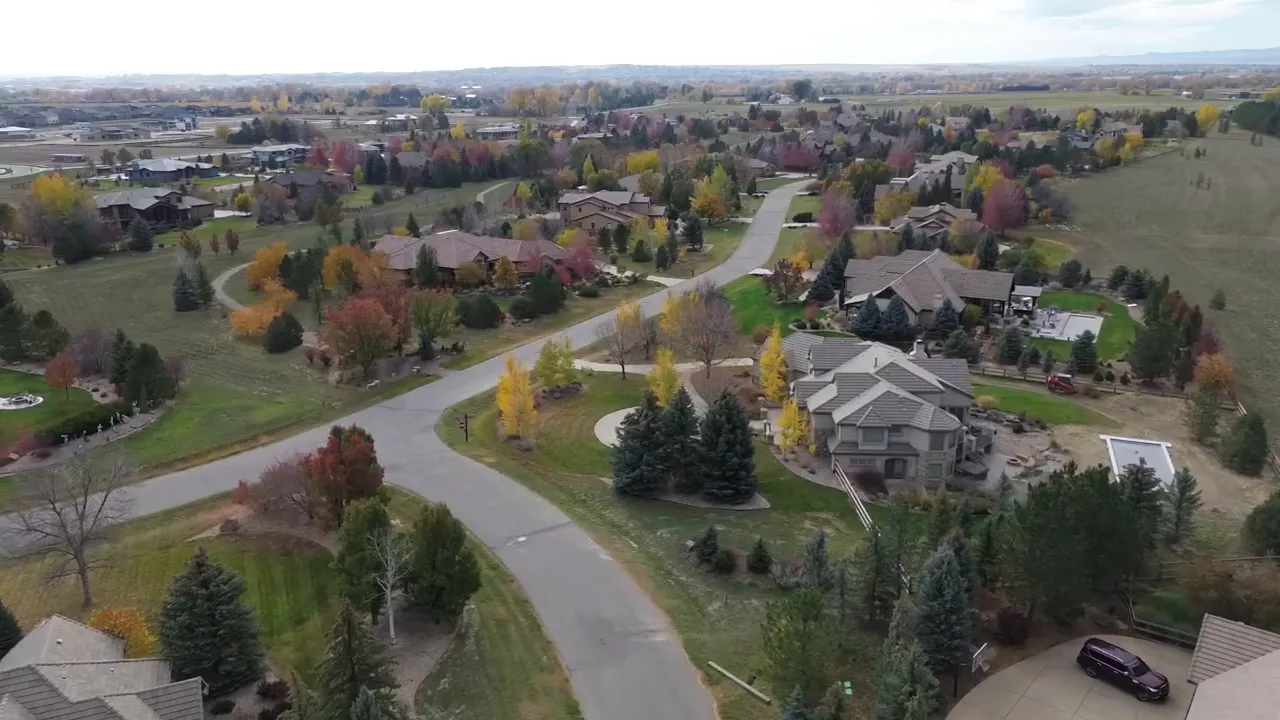
There is nothing automatically wrong with that, but it needs to be part of the math before you buy.
North Longmont
North Longmont can be a good fit if you want a little more space and a little more breathing room. As you move farther north, you are farther from Boulder and Denver, and that can help with pricing. For buyers who want land, less noise, or a quieter setting, this area can make a lot of sense.

West Longmont
West Longmont is popular for a reason. It is in Boulder County, closer to the foothills, and offers one of the best commutes to Boulder. That desirability pushes prices up and often creates more competition.
Still, many buyers are comfortable paying more here because demand remains strong. If your priority is location and long-term investment confidence, West Longmont is one of the most appealing parts of the city.
Job Market In Longmont Colorado
Longmont benefits from a diverse local economy and its proximity to the Boulder tech corridor. Key industries include:
- Technology
- Aerospace
- Manufacturing
- Healthcare
Even if you do not plan to work in Longmont itself, the city still works well because of its access to Boulder and other employment hubs. That is one of the reasons moving to Longmont Colorado appeals to both commuters and remote workers.
Remote workers especially like being close to the foothills and mountains while still having a developed city around them. Longmont is not dependent on a single industry, which gives it a little more stability than a one-note market.
Things To Do in Longmont Colorado
Longmont has a bigger and more developed downtown than many other Northern Colorado communities. That gives the city more day-to-day convenience and more local activity without making it feel hectic.
What Longmont is not, at least compared with places like Fort Collins, is a major nightlife city. This is not the place people usually pick for a college-town bar scene. The lifestyle here leans more casual and family-oriented.
That can look like:
- Checking out one of the city’s breweries
- Spending time downtown
- Going to local festivals and city events
- Enjoying one of the best farmers markets in the area
One of Longmont’s best qualities is that it has the everyday amenities and big-name stores most people need, while still holding onto a relaxed, small-town feel. That balance is hard to find, and it is a big reason people end up staying once they arrive.

Pros And Cons Of Moving To Longmont Colorado
Pros
- Great location: easy access to Boulder, Denver, DIA, and the foothills
- Better value than Boulder: a strong option for buyers priced out of nearby markets
- Diverse job access: solid local economy plus easy commuting options
- Established city feel: more infrastructure, more amenities, and a revitalized downtown
- Balanced lifestyle: enough going on without feeling too busy
Cons
- Fewer new construction options than some growing towns: because Longmont is already more built out, there may be less variety if a brand-new community is your top priority
- Some areas come with higher taxes or stronger competition: especially on the Boulder County and west side of town
Honestly, that short list of drawbacks is part of why Longmont gets so much attention. For many buyers, those tradeoffs are worth it because the location and overall livability are so strong.
EXPLORE THE NEWEST HOMES AVAILABLE IN NORTHERN COLORADO
FAQ About Moving To Longmont Colorado
Is Longmont more affordable than Boulder?
Yes. One of the biggest reasons people consider moving to Longmont Colorado is that it offers easier access to Boulder without Boulder-level housing prices. Longmont is often seen as a value-driven alternative.
How far is Longmont from Boulder and Denver?
Boulder is typically about 25 to 35 minutes away. Denver is often around 40 to 45 minutes, depending on traffic and where you are headed.
What is the average home price in Longmont?
The average home price range discussed is roughly $525,000 to $575,000, though pricing varies by neighborhood, county, and proximity to the foothills.
Which part of Longmont is best for commuting to Boulder?
West Longmont is especially attractive for Boulder commuters because it is closer to the foothills and offers strong access into Boulder. It is also one of the more competitive and higher-priced parts of the city.
Does Longmont have a strong job market?
Yes. Longmont has a diverse economy with jobs in technology, aerospace, manufacturing, and healthcare. It also benefits from easy access to Boulder’s employment base and works well for remote professionals.
Is Longmont a good fit for families?
For many households, yes. Longmont has an established city feel, family-friendly activities, festivals, a strong farmers market, and a more relaxed pace than some larger or more nightlife-focused areas.
Final Thoughts On Moving To Longmont Colorado
If you want a city that gives you room to breathe, practical access to jobs, and a better price point than Boulder, moving to Longmont Colorado is absolutely worth considering. It combines value, convenience, and lifestyle in a way that is getting harder to find along the Front Range.
Ready to explore neighborhoods, compare home options, and figure out what makes the most sense for your move to Longmont? Call or text me, Sam Ilstrup at 720-807-5991 or Book a FREE Relocation Consultation. I’m happy to answer questions and help you plan next steps.