Moving to Northern Colorado is an exciting move, but it is not a one-size-fits-all area. You have college-town energy in Fort Collins, an artsy and quieter feel in Loveland, affordability in Greeley, and fast-growing communities stretching along the I-25 corridor. Add the foothills, reservoirs, trails, sunshine, new construction, and easy access to Denver, and it is easy to see why so many people are considering living in Northern Colorado.
But before buying a home, you need to look beyond a listing price or a pretty mountain view. Taxes can vary dramatically by neighborhood. A shorter commute might mean a higher home price. A newer community may come with both an HOA and a metro district. Weather is generally enjoyable, but wind and hail are very real parts of life here.
Here are the seven things that matter most when moving to Northern Colorado, so you can narrow down the right city, neighborhood, and budget with confidence.
Key Takeaways
- Home prices, property taxes, metro districts, and HOA costs can change the true monthly cost of a home.
- Fort Collins, Loveland, Greeley, Windsor, and Erie offer very different lifestyles, price points, and commute patterns.
- Outdoor access is strong throughout the region, while weather can bring sunshine, fast temperature changes, wind, and hail.
- Use I-25, E-470, and your specific work or airport travel needs to evaluate the right location.
Table of Contents
- 1. Northern Colorado Cost of Living
- 2. Best Northern Colorado Cities for Your Lifestyle
- 3. Northern Colorado Housing Market
- 4. Northern Colorado Weather: Snow, Wind & Hail
- 5. Outdoor Living in Northern Colorado
- 6. Northern Colorado Commute & Traffic
- 7. Northern Colorado Schools & Family Living
- Make Your Move to Northern Colorado
1. Northern Colorado Cost of Living
The first thing most people ask about moving to Northern Colorado is, naturally, “What can I afford?” Compared with Denver or Boulder, Northern Colorado can offer a more approachable cost of entry. Still, affordability changes a lot from one city, neighborhood, and side of I-25 to another.
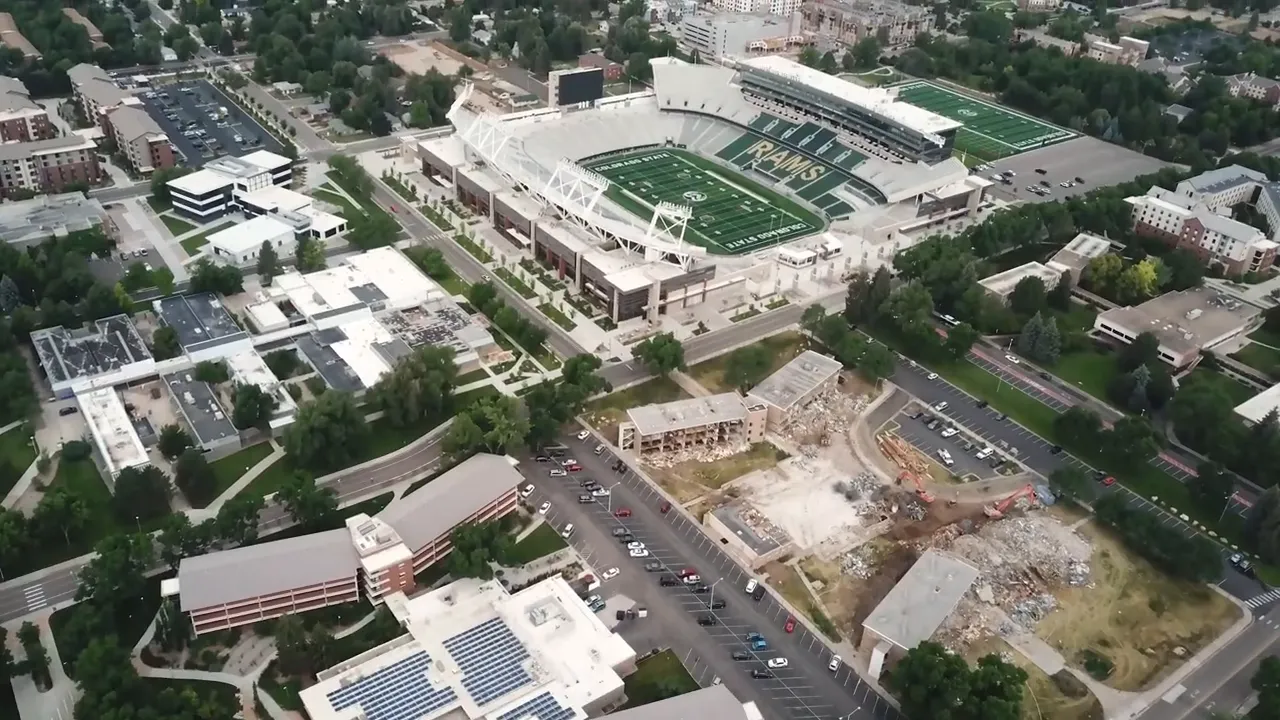
Fort Collins is generally one of the more expensive options in the region. It is the largest city in Northern Colorado, has more amenities and jobs, and sits closer to the foothills. Those factors make it consistently desirable.
For a lower purchase price, look farther east of I-25. Communities such as Milliken, Johnstown, Frederick, and Firestone can provide less expensive options while still offering access to the rest of the region.
Home Prices To Expect
As a broad regional benchmark, a first home or move-up home often falls around $500,000 to $550,000. There are homes around $400,000 or even a bit less in the right location, particularly where affordability is the major priority. On the upper end, homes may start around $700,000, while much of the luxury market begins closer to $900,000 and above, where buyers can often expect more space, land, or a higher-end property.
Colorado may feel expensive if you are coming from a market where a nice home costs $200,000 to $300,000. On the other hand, people relocating from California, New York, or other high-cost states may find the jump much more manageable.
Property Taxes And Metro Districts Matter
Do not make the mistake of comparing homes based only on the purchase price. When moving to Northern Colorado, the monthly payment can look completely different for two homes priced exactly the same.
Typical property tax rates can range from roughly 0.6% to 0.8%. However, newer neighborhoods are commonly located in a metro taxing district. These districts help pay for infrastructure and amenities, including roads, parks, landscaping, and community improvements. They function a little like an HOA, except the charge is reflected in property taxes. Some neighborhoods have both a metro district and an HOA.
In a metro district, the effective tax rate can land closer to 1% to 1.5%. On a $500,000 home, that can mean approximately $5,000 to $7,500 a year in property taxes. That difference needs to be part of your real budget from day one.
- Ask whether the home is in a metro taxing district.
- Confirm whether an HOA is also present and what it covers.
- Compare annual taxes, not just sale prices, between properties.
- Factor the full monthly payment into your search criteria.
2. Best Northern Colorado Cities for Your Lifestyle
One of the best parts of living in Northern Colorado is that every city has its own personality. The right place depends on whether you prioritize walkability, nightlife, affordability, new construction, small-town atmosphere, or proximity to Denver.
Fort Collins: Active, Walkable, And College Town Energy
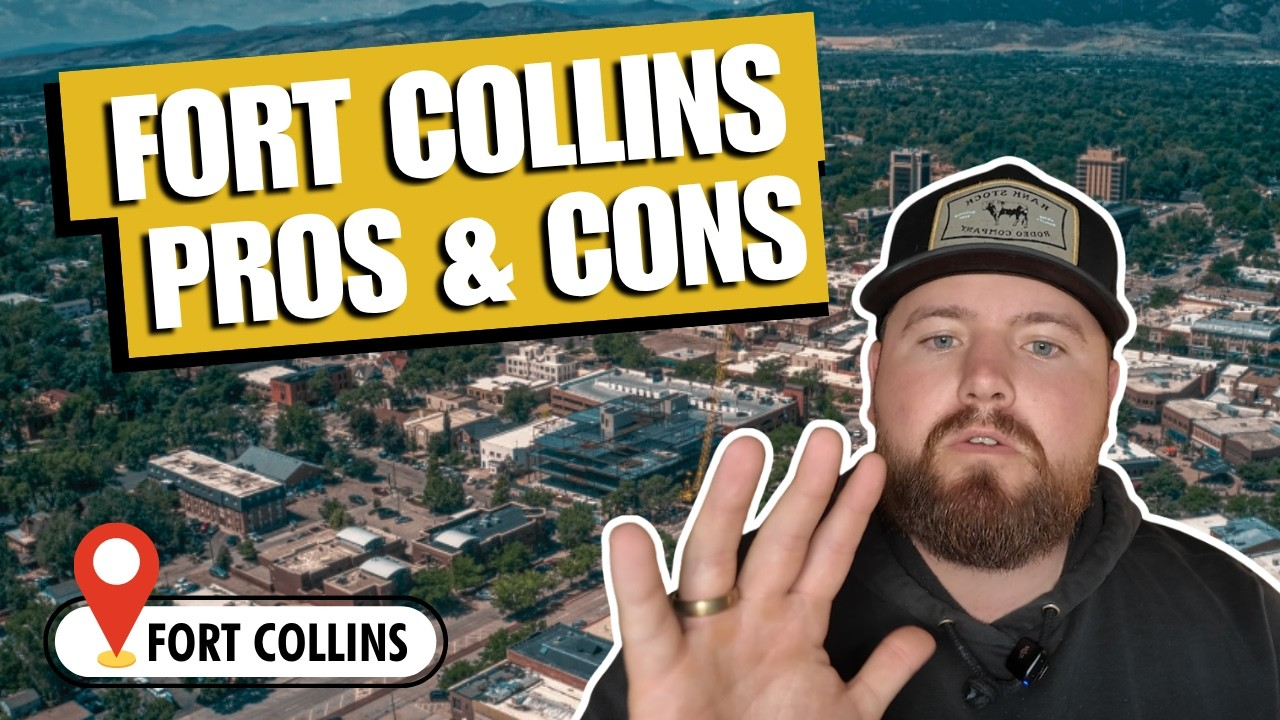
Fort Collins is the largest city in the region and has a strong outdoor-oriented lifestyle. It is a college town, so downtown brings more nightlife, a younger crowd, local restaurants, cafes, and coffee shops. If being able to get around downtown on foot is important to you, Fort Collins is a major contender.
It is also a more developed market with job opportunities and amenities, which helps explain why it tends to cost more.
Loveland: Quieter And Artsy With Fort Collins Access
Just south of Fort Collins, Loveland is smaller and generally quieter. It has an artsy character while keeping you within an approximately 20 to 25 minute drive of Fort Collins. For people who work in or want access to Fort Collins but would prefer a potentially more affordable home and a calmer feel, Loveland makes a lot of sense.
Greeley: Affordability And Growth
Greeley sits farther east, so it may not be the best fit for someone who needs to be closer to Denver. But it draws attention because of its affordability, expanding job market, and continued development. Finding a quality home around $400,000 or a little below is more realistic here than in some other Northern Colorado cities.
Greeley is growing quickly and is projected to surpass Fort Collins in population in 2026. That growth, along with its employment opportunities, is a big reason people are giving it a serious look.
Windsor And Erie: Newer Communities With A Small-Town Feel
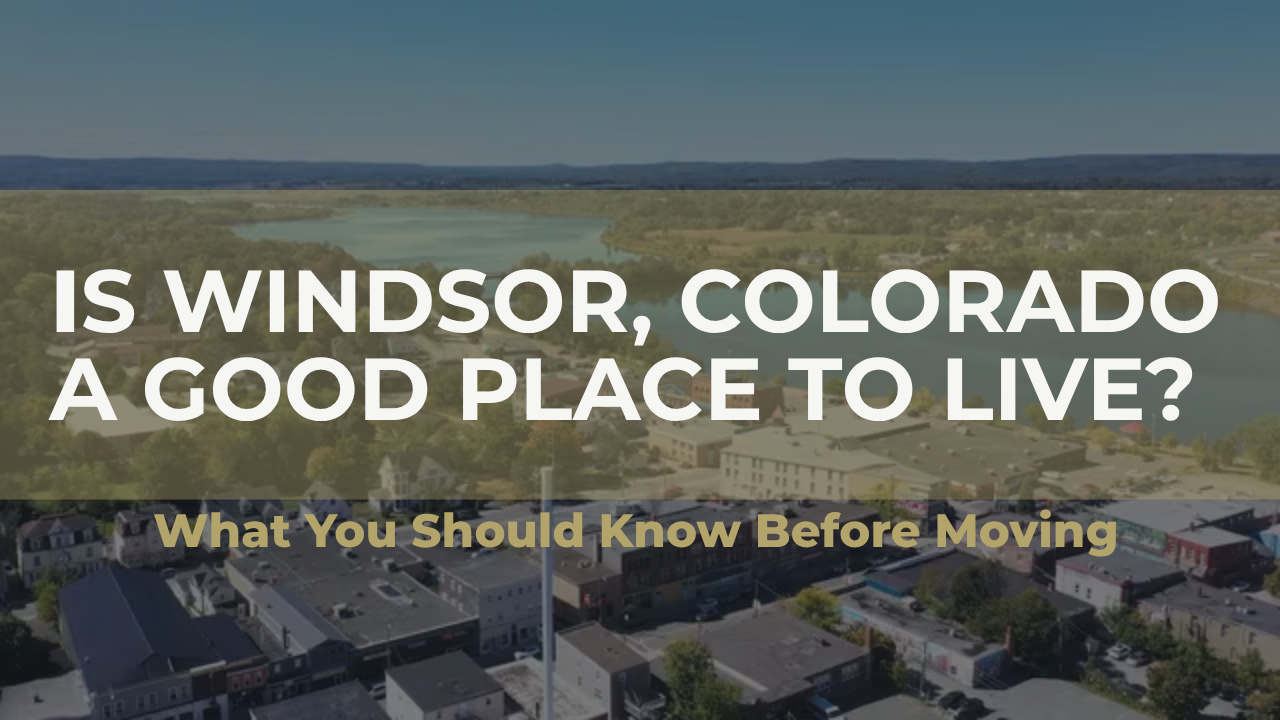
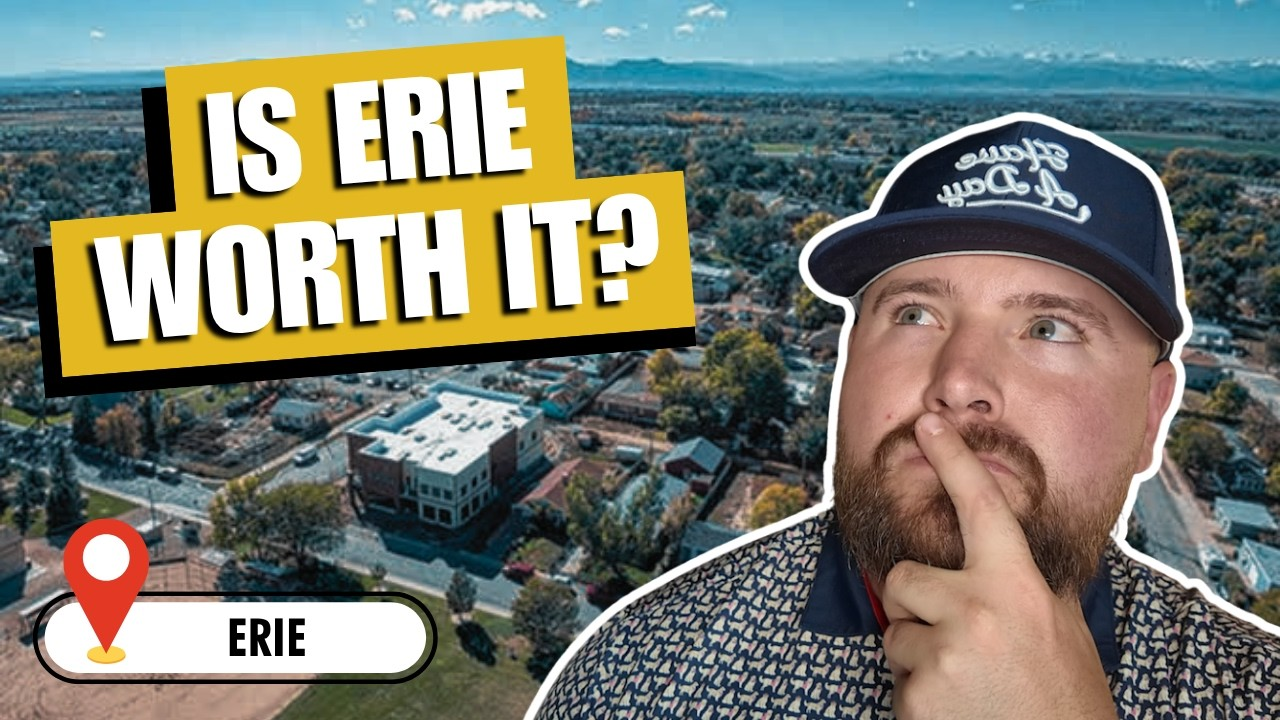
Windsor and Erie are great options for people who want newer communities, new construction, and a family-oriented environment. They are growing fast, but they still offer more of a small-town feel than the larger cities. Amenities may be more limited immediately nearby, but access to larger towns and regional job centers remains fairly easy.
Moving to Northern Colorado is much easier when you first decide what kind of day-to-day environment fits your goals. The city matters just as much as the house.
3. Northern Colorado Housing Market
The Northern Colorado housing market has held up fairly well compared with many places around the country. Colorado remains a desirable place to live, and people continue moving in and buying homes. That does not mean every neighborhood behaves the same way.
Fort Collins remains desirable because of its jobs, amenities, outdoor access, and overall lifestyle. Greeley attracts buyers looking for a more attainable first home. Both are examples of how demand can come from different reasons in different markets.
Do not assume the whole region is as competitive as Boulder. Boulder has a level of demand that can stay intense regardless of what broader real estate headlines are saying. Northern Colorado has desirable markets, but it is not all the same market.
New Construction Is A Major Part Of The Picture
New construction is everywhere across Northern Colorado. Growth is filling in the area between Denver and Fort Collins as housing demand continues. If you want a brand-new home, there are plenty of opportunities in growing communities.
Builders may offer incentives that individual sellers cannot, which can make a newly built home worth comparing alongside resale options. Just remember to check the taxes and metro district details before deciding that a builder incentive alone makes a property the better deal.
4. Northern Colorado Weather: Snow, Wind & Hail
People think of Colorado as a snowy place, and yes, the mountains get plenty of snow for skiing and snowboarding. But living in Northern Colorado on the plains is not the same as living in the high country.
Colorado gets an exceptional amount of sunshine. Even in winter, it is common to get a snowfall followed by a 40 or 50 degree day that melts much of it quickly. Winters are generally not as brutal as some people expect when they picture Colorado.
The tradeoff is wind. Northern Colorado can get very windy, and certain days are simply not patio or barbecue days because the wind and dust are ripping through. In stronger wind events, a power company may temporarily shut off power as a safety measure to reduce fire risk from damaged lines.
Hail is another factor to take seriously. Afternoon hailstorms can roll through, so pay attention to the forecast if you are out driving. Temperature swings can also happen fast. A cold, snowy morning may become warm by afternoon, while a hot spring or summer day can cool off quickly after a windstorm moves through.
That variability is part of the deal when moving to Northern Colorado. Dress in layers, keep an eye on the forecast, and do not assume a sunny morning guarantees the same conditions later in the day.

5. Outdoor Living in Northern Colorado
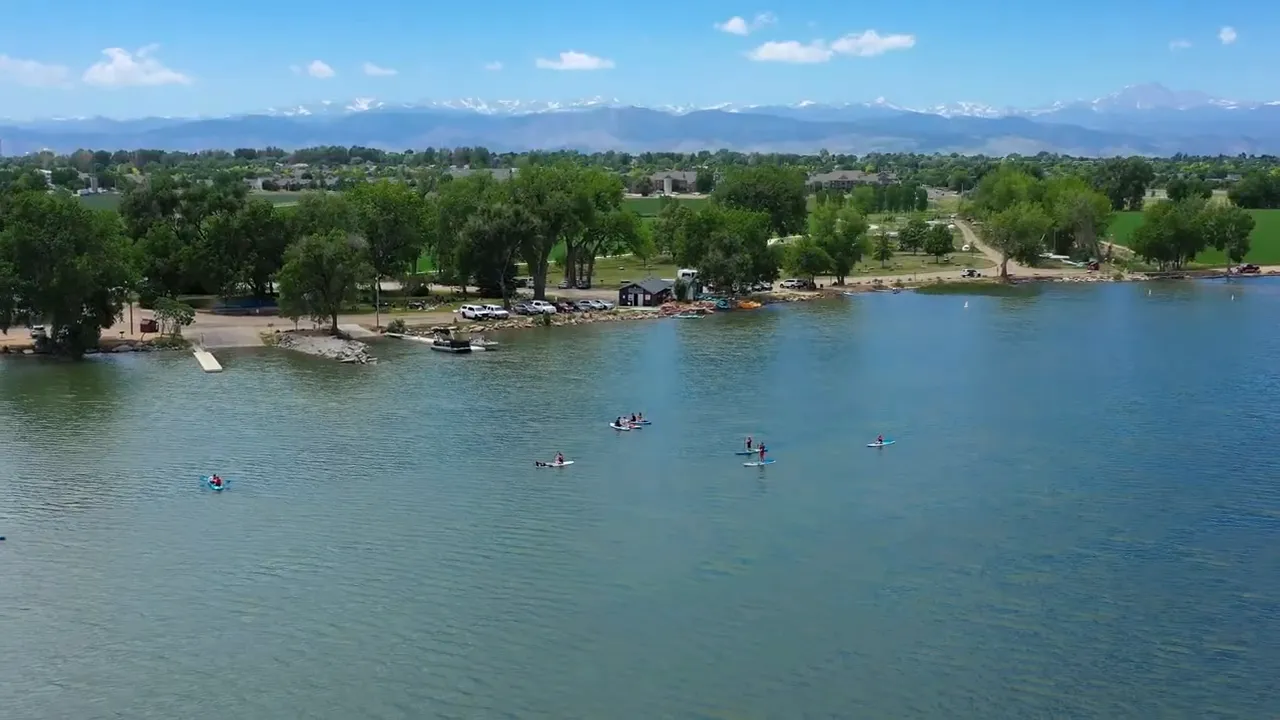
Outdoor access is a huge reason people choose this region. Hiking, biking, trails, lakes, reservoirs, and foothill adventures are all close enough to be part of regular life, not just an occasional weekend plan.
I-25 is a useful line to understand. Living west of I-25 generally puts you much closer to the foothills and mountain access. Living east of I-25 usually means lower home prices because you are farther away, but the mountains and foothills are still often only 30 to 45 minutes away.
There are also local water activities and trail systems throughout the area. The point is simple: you do not have to live directly against the foothills to have access to the lifestyle. But homes closer to these amenities can carry higher demand and higher prices because many people want outdoor recreation built into their daily routine.
6. Northern Colorado Commute & Traffic
Commute time can be a major deciding factor when moving to Northern Colorado, especially if work, family, or frequent flights pull you toward Denver. The key travel points to think about are Denver, Fort Collins, and Denver International Airport, also called DIA.
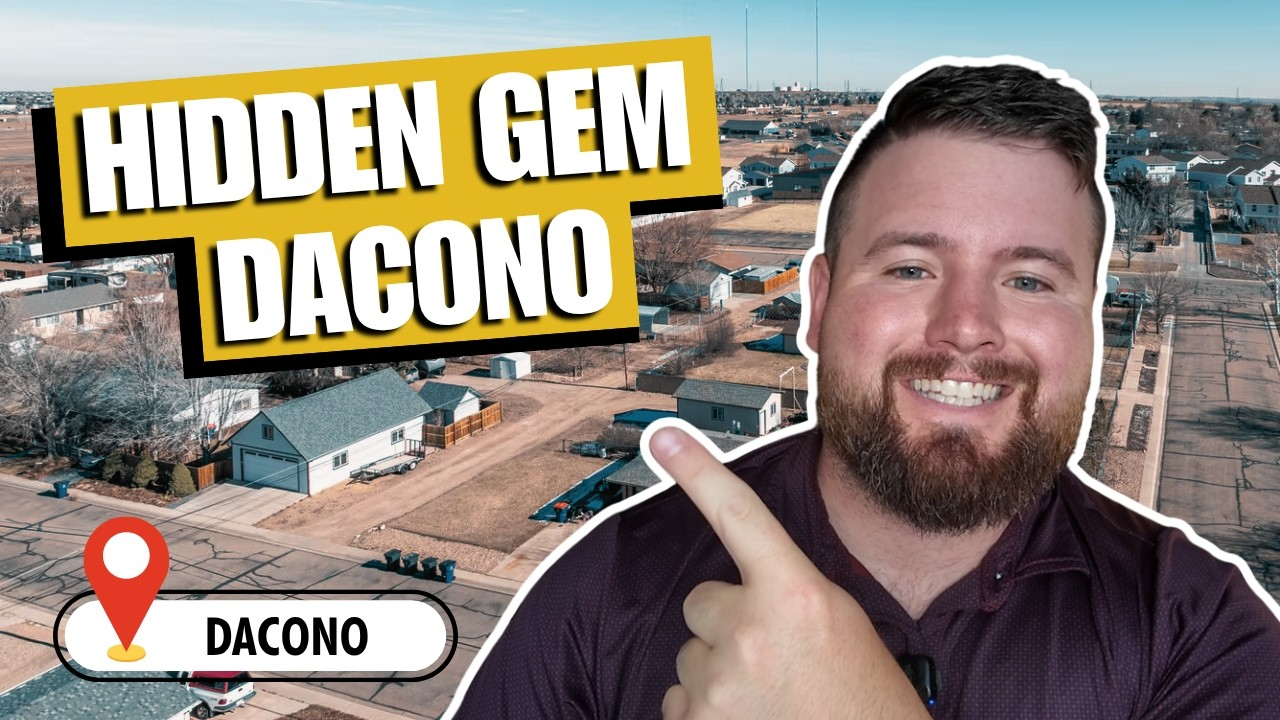
The Frederick, Firestone, and Dacono area is a useful central reference point. From there, Denver and DIA can take around 30 to 35 minutes in lighter traffic. Depending on your exact destination, however, that drive can push closer to an hour.
Fort Collins from that same area is usually around 45 to 55 minutes. If you live all the way up in Fort Collins and commute to Denver, expect roughly an hour to an hour and 15 minutes depending on traffic. Move farther north and add time heading toward Denver. Move farther south and add time heading toward Fort Collins.
I-25 And E-470
I-25 handles much of the north-south driving. When traffic is moving, getting from the Frederick-Firestone-Dacono area to Denver can be pretty straightforward. For airport trips or trips around the east side of the Denver metro, E-470 can be a valuable toll-road option. It costs money, but it can save a lot of time when traffic builds up.
Traffic is relative. If you are coming from Chicago, New York, or California, you may find Northern Colorado traffic to be a breeze. Longtime locals may remember when the area was much smaller and feel that traffic has gotten bad. Both perspectives can be true, so build your decision around your own commute schedule and destinations.
7. Northern Colorado Schools & Family Living
For families moving to Northern Colorado, schools are naturally an important part of the home search. The right school is personal. What matters to one family may not be what matters to another, so there is no substitute for doing your own homework.
Start with school websites and local community groups. Ask questions, look at the programs that matter to your family, and tour schools whenever possible. Northern Colorado also has private and charter school options for families looking beyond the public school system.
Do not select a neighborhood solely from a broad school reputation. Get clear about your own values, the support and programs your children need, location, commute, and the kind of school community you want. That is how you make a choice that fits your family rather than someone else’s definition of a good school.
Make Your Move to Northern Colorado
Moving to Northern Colorado can give you a great blend of active lifestyle, growing cities, diverse housing options, and strong access to both the foothills and the Denver metro. The biggest decision is not whether the region has something to offer. It does. The real question is which community best matches your budget, work location, preferred lifestyle, and family needs.
Start with the full payment, not just the listing price. Compare cities by their actual personality and commute, not only distance on a map. Decide how close you want to be to the mountains, and be honest about your tolerance for wind, hail, and changing weather. With those pieces clear, living in Northern Colorado can be a very rewarding next chapter.
FAQs About Moving To Northern Colorado
Is moving to Northern Colorado more affordable than moving to Denver or Boulder?
Northern Colorado can be more affordable than Denver or Boulder, but prices vary significantly by city and neighborhood. Fort Collins tends to be more expensive, while Greeley and communities farther east of I-25 can offer more attainable options.
What is the average home price in Northern Colorado?
A broad estimate for a first home or move-up home is around $500,000 to $550,000. Some homes can be found around $400,000 or less depending on the city and location, while luxury homes often begin around $900,000 and above.
What is a metro taxing district in Northern Colorado?
A metro taxing district is a neighborhood-specific tax structure that can fund items such as roads, parks, landscaping, and amenities. It is common in newer communities and can increase the effective property tax rate to roughly 1% to 1.5%.
How far is Northern Colorado from Denver and DIA?
From the Frederick-Firestone-Dacono area, Denver and DIA can be around 30 to 35 minutes in lighter traffic, although trips can take closer to an hour depending on traffic and the exact destination. Fort Collins to Denver is often about an hour to an hour and 15 minutes.
Ready to make your move to Northern Colorado? Whether you’re comparing Fort Collins, Loveland, Greeley, Windsor, Erie, or communities along the I-25 corridor, I can help you find the right area and home for your budget and lifestyle. Call/text me today at 720-807-5991 or book a FREE consultation to get started.
READ MORE: Moving to Erie Colorado: What Buyers Need to Know